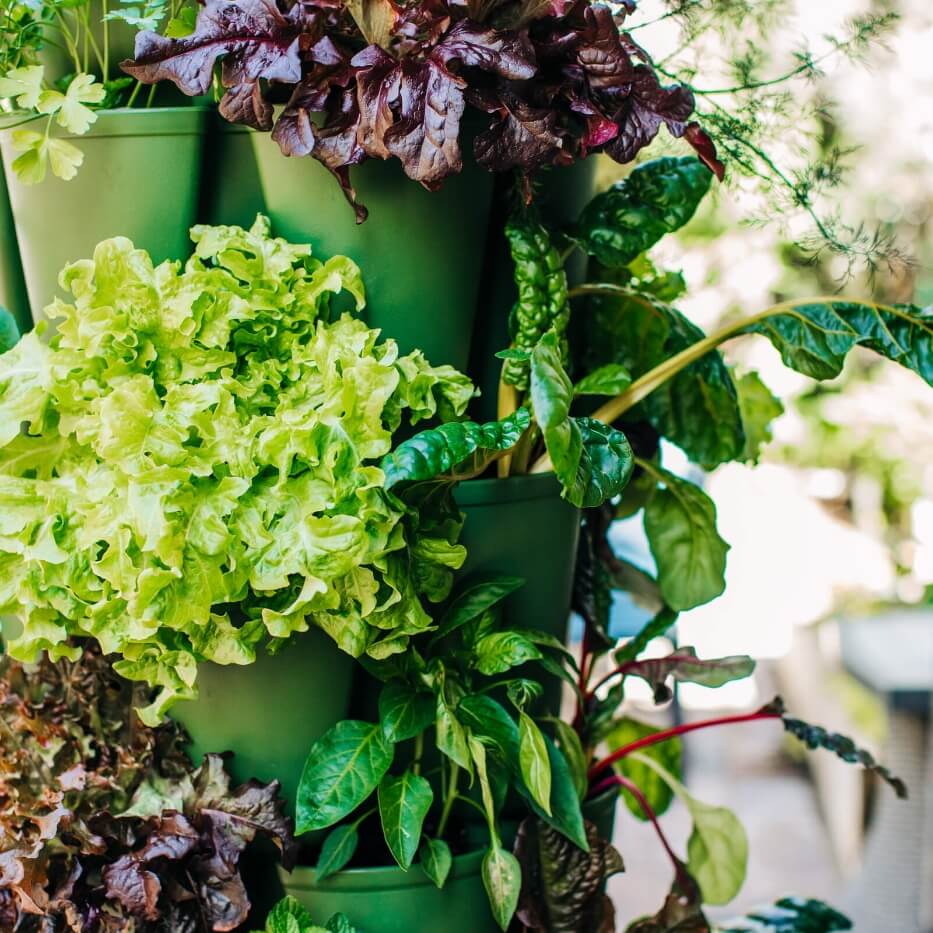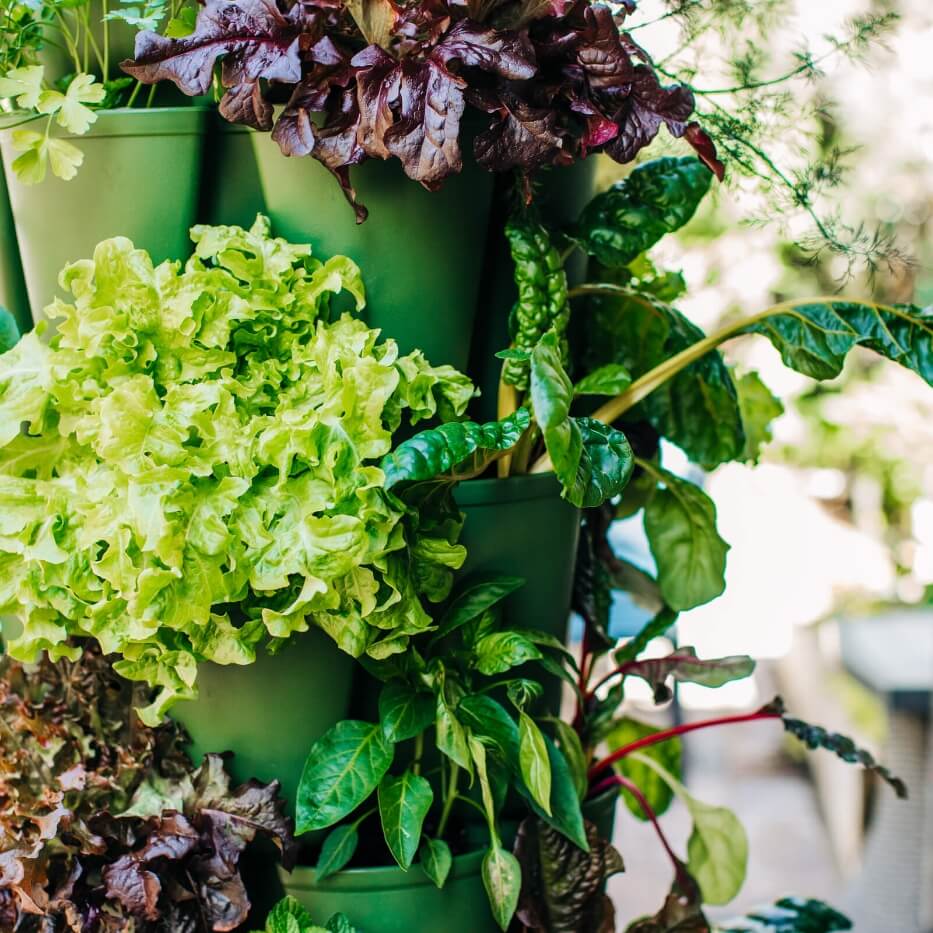




Vertical growing solves the biggest challenge with leafy greens: avoiding the all-at-once harvest that leaves you swimming in lettuce one week and eating store-bought salads the next. With smart variety choices and simple succession timing, you can grow a variety of fresh greens in abundance most months of the year!

Best Leafy Green Varieties for Containers
Tempting as it is to buy whatever seeds are available in-store, the varieties you choose can majorly affect your abundance. A lettuce bred for spring or fall production will likely bolt when temperatures hit 80-85°F, while heat-tolerant types keep producing in warmer temperatures. Cool night help stave off bolting, but a little research to help select varieties for your gardening zone will give you more reliable performance
Early spring: Buttercrunch lettuce (75 days, compact heads, stays productive longer than most butterhead types), Bloomsdale spinach (40-45 days), arugula (40-45 days)
Late spring heat-tolerant: Jericho lettuce (45 days), Red Salad Bowl (45 days), Oakleaf (45 days), Mizuna (mild peppery flavor, compact growth)
Fall plantings: Paris Island Cos romaine (handles light frost), Vates Blue Scotch Curled kale (tolerates temps to 15°F), any spinach variety
Year-round producer (in some zones): Swiss chard (produces spring through early fall without bolting)
Plant three seeds per pocket for loose-leaf lettuce and spinach, and up to six per pocket for arugula, which is typically harvested on the smaller side. Heading types like Buttercrunch need one per pocket to develop properly.

Succession Planting Techniques
Here's the concept: plant a few pockets every 2-3 weeks instead of filling your entire planter at once. You'll harvest from mature plants while younger ones are still growing, avoiding the situation where all your lettuce is ready on the same Tuesday in May.
Timing your plantings:
Spring: Start as soon as soil reaches 40°F, plant every 2-3 weeks until 6 weeks before summer heat arrives
Summer break: Once temperatures consistently reach the 80s during the day, focus on growing warm weather crops instead.
Fall restart: Resume planting in late July or early August, continue every 2 weeks through early fall, according to your zone’s planting schedule recommendations.
Fall adjustment: Add 10-14 days to expected maturity time as days shorten
Spring lettuce might take 60 days to mature when planted in March but only 35 days when planted in May. The increasing day length speeds things up considerably.
Harvest Methods for Continuous Production
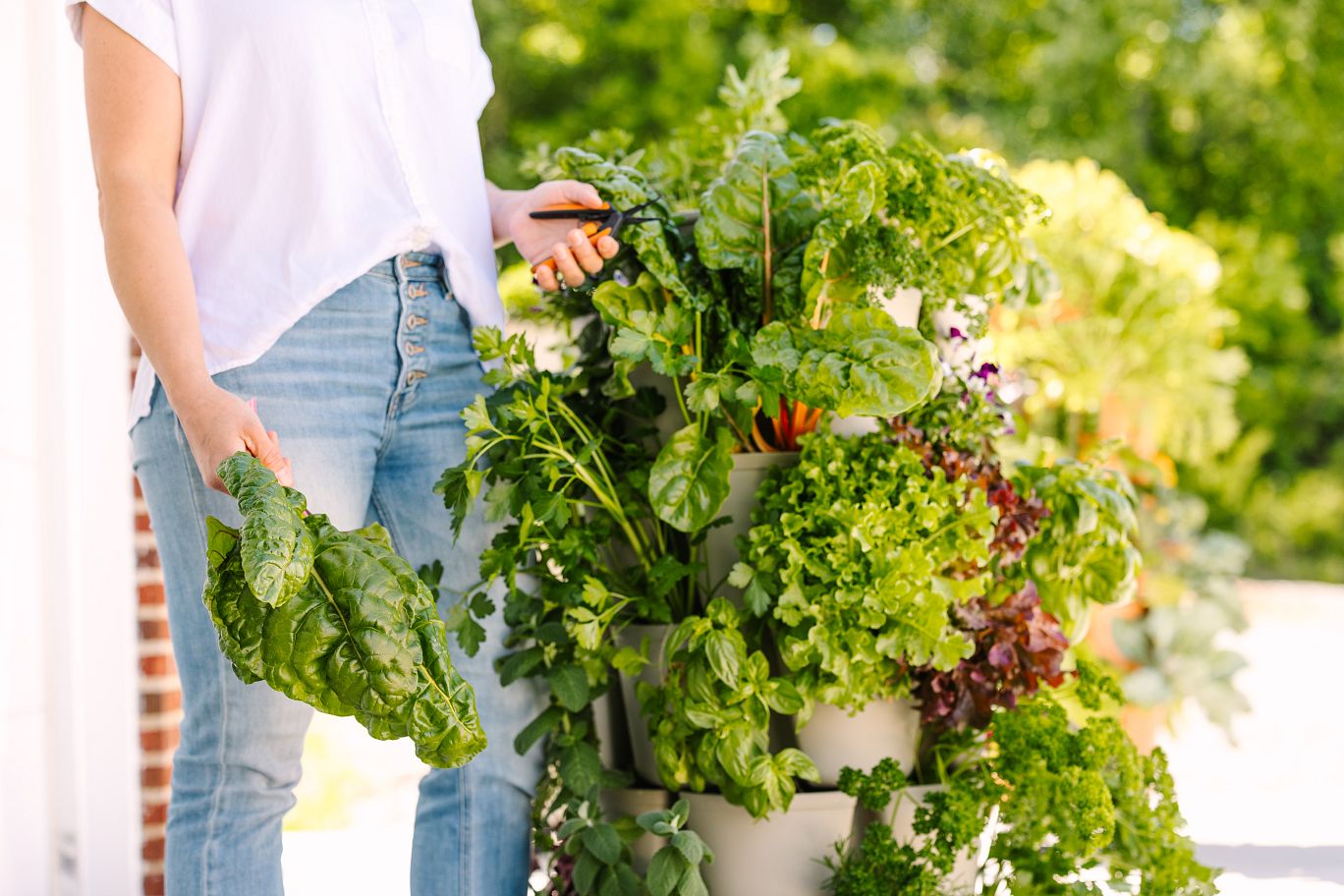
Most leafy greens work as cut-and-come-again crops, giving you multiple harvests from each plant. When outer leaves reach 3-6 inches, cut them with scissors or pinch them off, leaving the smaller center leaves to keep growing. You'll get 2-3 harvests before the plant starts bolting. Alternatively, cut the whole plant 1-2 inches above soil level. The regrowth won't form the same tight head, but you'll still get plenty of good leaves.
Harvest in the morning when leaves are crisp and cool. Even the wonky-shaped ones taste sweet and fresh — appearance shouldn’t affect flavor. Store unwashed leaves wrapped in a damp paper or tea towel in a loose plastic bag or crisper drawer in the refrigerator. They'll keep up to 10 days for lettuce, about a week for spinach. Rinse just before using to remove any small hitchhikers that might be hanging around.

Pest Management for Greens
Aphids like spinach and lettuce almost as much as we do. You'll find these tiny pests clustered on leaf undersides, sometimes leaving a sticky residue. Insecticidal soap spray works well: spray in the evening or early morning. If you catch them early, a strong spray from the hose knocks most aphids off before they establish a real colony.
Plant chives in a few pockets alongside your greens to deter pests, or add cilantro to attract beneficial insects. Both have similar water and temperature needs. If leaves start yellowing, they may need nitrogen rather than pest control. We recommend fish emulsion — it smells weird for a day or two, but it does the job. Check your plants regularly, especially under the leaves where aphids hide. Early intervention beats trying to clear a full infestation. Here's an in-depth video on pest control tips for the GreenStalk.
Seasonal Growing Adjustments
Some gardeners say a spring frost can make your greens sweeter, so don’t be afraid to experiment in the early season. Start planting according to your variety’s recommended temperature thresholds, but remember plants mature more slowly in cool weather. When temps start warming up, consider transitioning to heat-tolerant varieties like Jericho, Red Salad Bowl, or Oakleaf if you want to keep harvesting into early summer.
If you're determined to grow greens in midsummer, harvest them at the baby stage around 20 days after planting. They'll need water more frequently, and even heat-tolerant varieties will be smaller and less productive than spring or fall crops. Fall is when leafy greens really shine. Cooler temperatures bring out better flavor, and frost increases the sugar content in leaves. Plant 6-8 weeks before your first expected frost date. Spinach and kale can overwinter in many zones, though a hard freeze below 25°F will kill lettuce. In fall, add 10-14 days to the expected maturity time since shorter days slow growth.

For most zones, with the right varieties and succession timing, your vertical planter becomes a steady salad supply! Start with a few pockets this season and see how much easier it is to keep fresh greens on hand.