



We’ve all been there: you set up your GreenStalk, fill it with plants, and then halfway through the season, your garden just isn’t producing the way you expected. It happens to the best of us! But the good news is, all of these mistakes are easy to fix once you know what to watch for. Here's a quick guide to the pitfalls we see most often and how to set yourself up for success from the start.
Soil Mistakes
Your soil is the foundation of everything. These are the fixes that make the biggest difference:
Use potting soil/mix, not garden soil. Topsoil and raised bed mixes are too heavy for containers. Look for a lightweight potting mix with good drainage. Brands like Black Gold, Happy Frog, and Pro-Mix are great options.
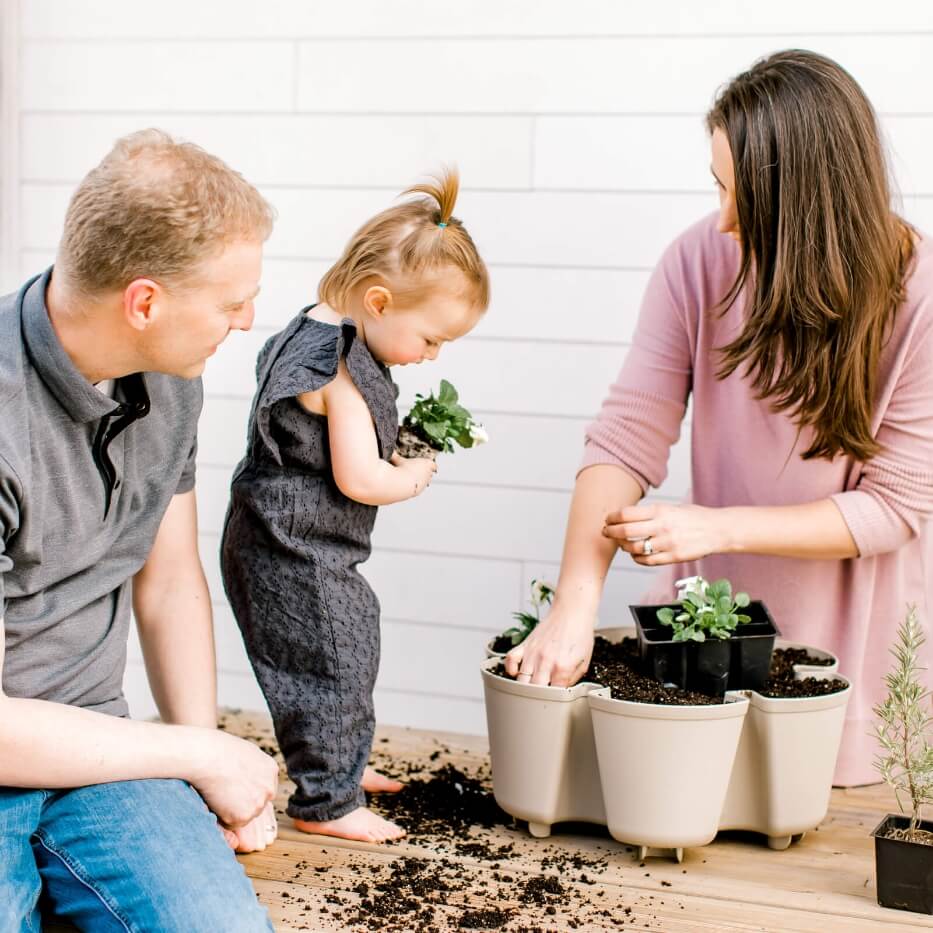
Fill each tier all the way to the top. Underfilling means less room for roots and less moisture retention.
Keep it light and fluffy. Never pack or pat down the soil. Compacted soil restricts roots and disrupts water flow.
Refresh between seasons. Potting soil loses its structure and nutrients over time. Mix in fresh potting soil amendments or, if the soil is very grainy and worn, replace it. We have gardeners who have amended the same soil for five years!
Assembly & Placement
A few minutes of extra care during setup prevents headaches later. Here's what to double-check before you start planting.
Place your planter on a hard, flat surface — never directly on soil, mulch, or grass. A paver (at least 16"x16") on level ground works great.
Leave at least 2 feet of clearance around the planter so plants have room for good airflow and outward growth.
Lock each tier's feet securely into the one below and make sure the grey watering disk holes line up with each pocket for even water distribution.


Watering Mistakes
The GreenStalk's top-down watering system does a lot of the work for you. Smart setup and a few small habits will help you get the most out of it.
Water both the reservoir and each pocket at initial setup. This is the best way to ensure the soil is fully saturated.
Check below the surface before watering. The top layer dries out first. Stick your finger in up to the second knuckle — if it's damp underneath, hold off.
Adjust your schedule as seasons change. Spring might mean once a week. Summer could mean daily. Let the soil tell you what it needs.
Check the system every few weeks. Make sure it’s clear of debris so water flows evenly.
Fertilizing Mistakes
Underfed plants are one of the most common issues we see in container gardens. The fix is simple once you know what to add and when.
Mix granular fertilizer and worm castings into your soil at setup. Add them to the lower two-thirds of each tier, then top with plain potting soil/mix so transplants aren't overwhelmed by a heavily amended soil/mix.
Start seedlings at quarter strength. Tender roots can't handle a full dose — increase gradually as plants mature.
Feed heavy producers more often. Tomatoes and cucumbers sometimes require regular liquid fertilizer. Herbs and leafy greens need much less.

Planning & Planting
Your planting choices ripple through the entire growing season. Getting a few things right up front saves a lot of troubleshooting later.
Decide what you're growing before you fill a single tier. Know your sun exposure and what season you're planting for.
Match crops to the season. Cool-weather lettuce and kale won't thrive in summer heat, and tomatoes love it, with some warmer zones making early spring an options as well.
Pre-moisten dry soil before planting. Dry potting soil/mix repels water — dampening it ensures roots make good contact and that seeds aren’t washed away with large amounts of water.
Plant seeds and seedlings high in the pocket for airflow and sunlight. This helps reaching stems avoid the risk of breaking over the rim of the pocket.
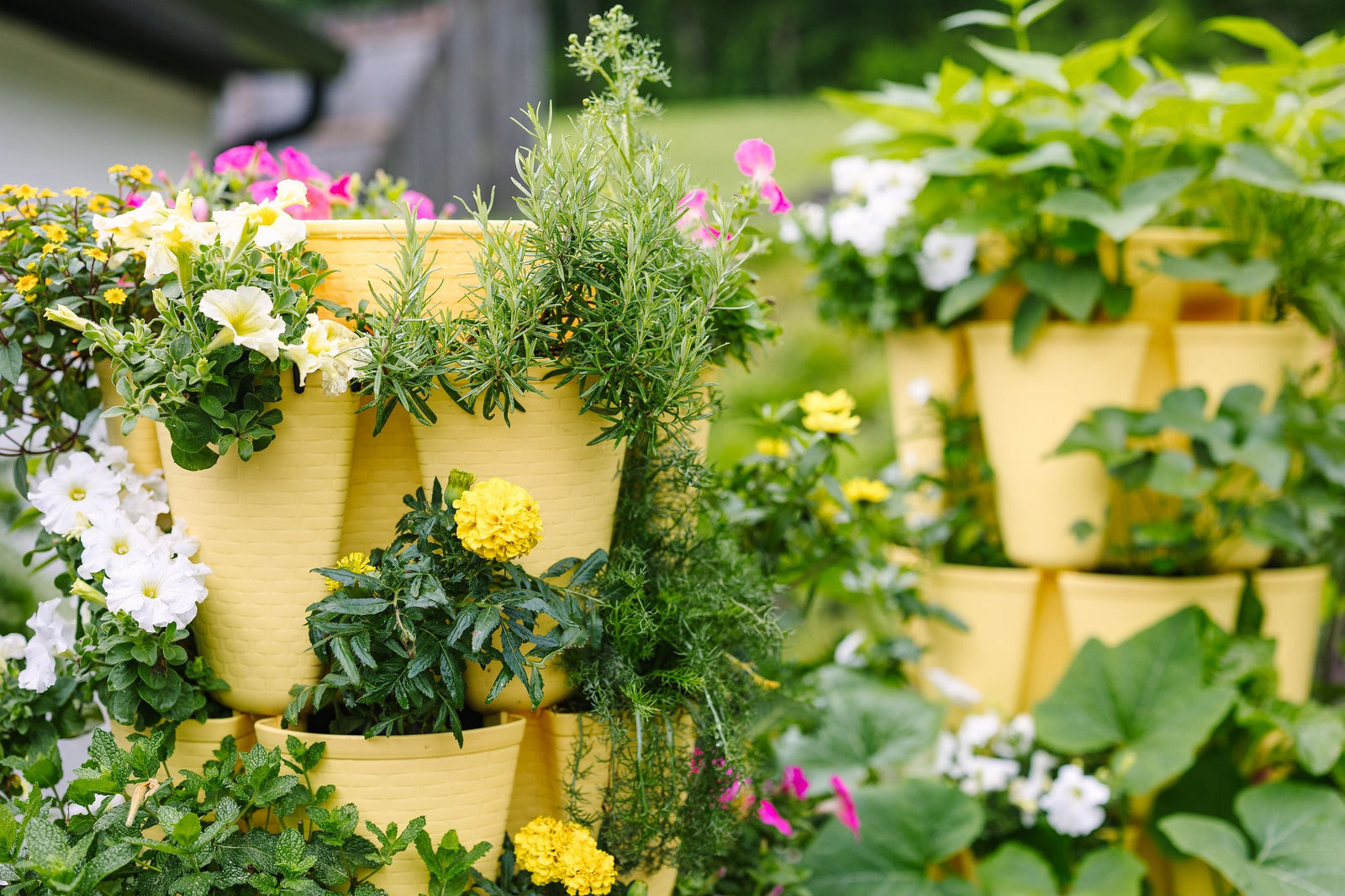
Place larger plants on the bottom, smaller ones above. This prevents shading and gives every pocket access to light.
Stake or trellis early. If you're growing anything that vines,get support in place before things get unwieldy.

Ongoing Maintenance
The best thing you can do is check on your plants every day or two. You'll catch watering issues, pest problems, and disease before they spiral. Rotate your planter regularly for even sun exposure, thin overcrowded pockets for better airflow, and don't ignore yellowing leaves or funky spots. Early action makes all the difference!
Every mistake on this list is one we've seen hundreds of gardeners make and recover from. You're not behind, you're learning. And that's exactly how a great garden grows.