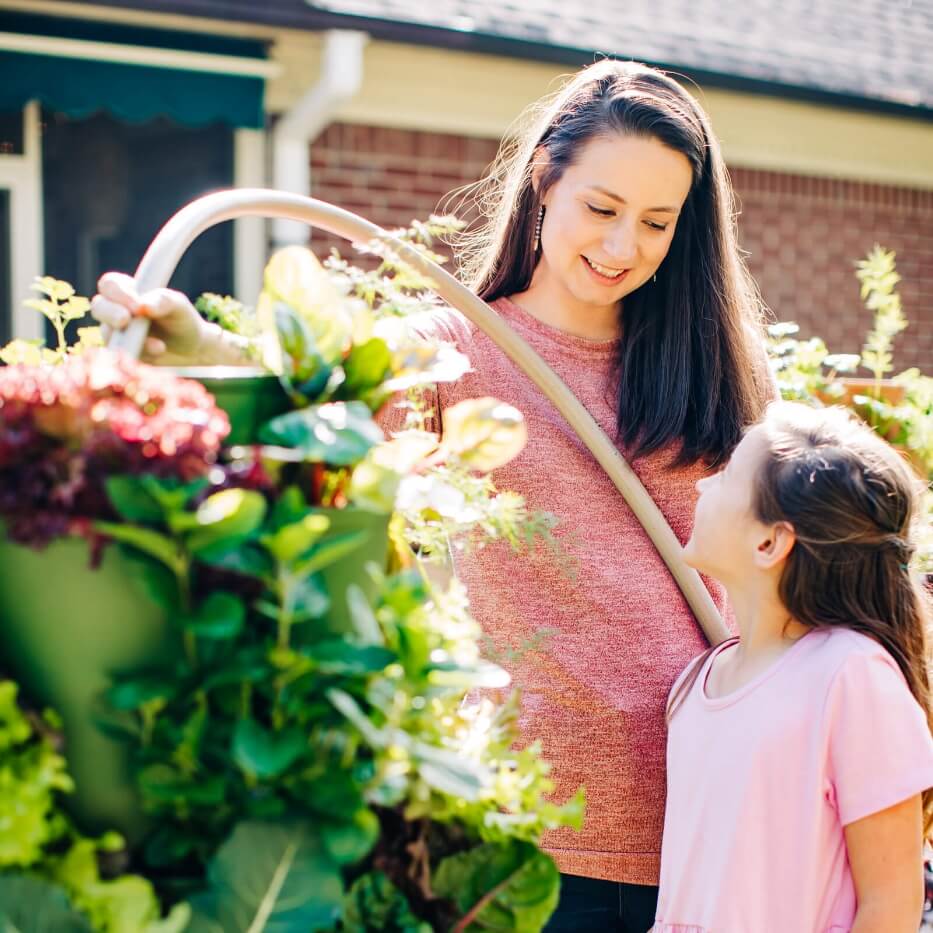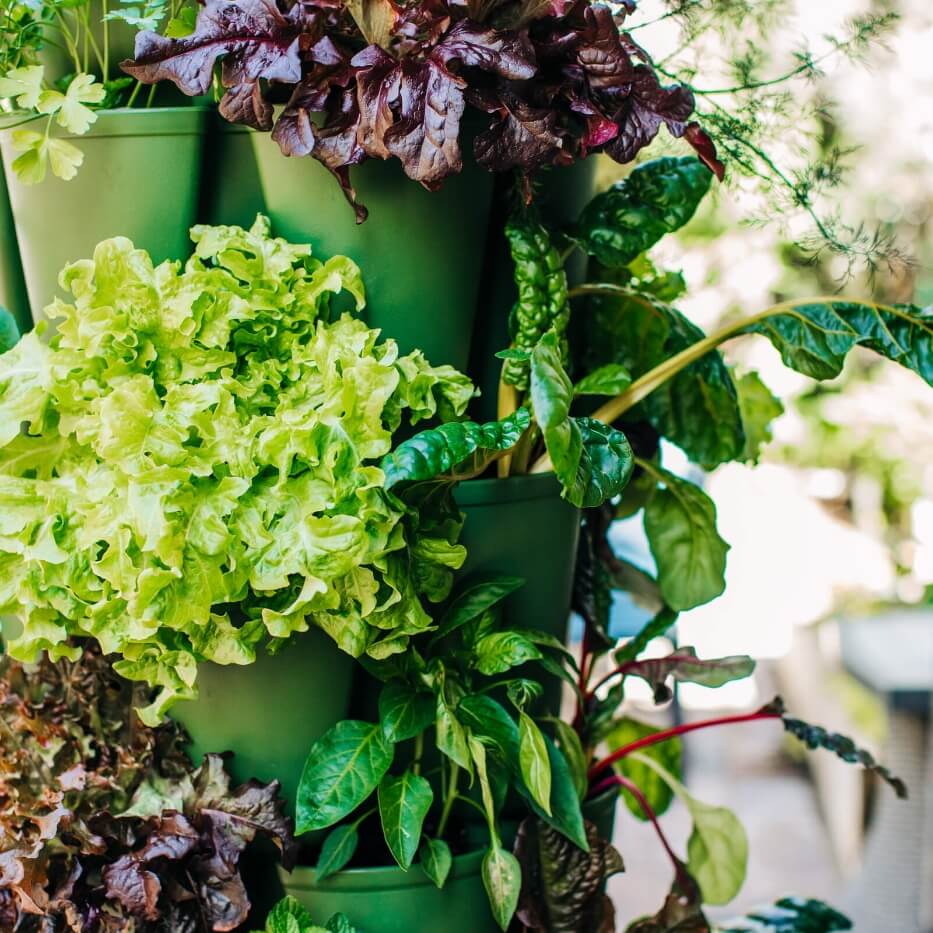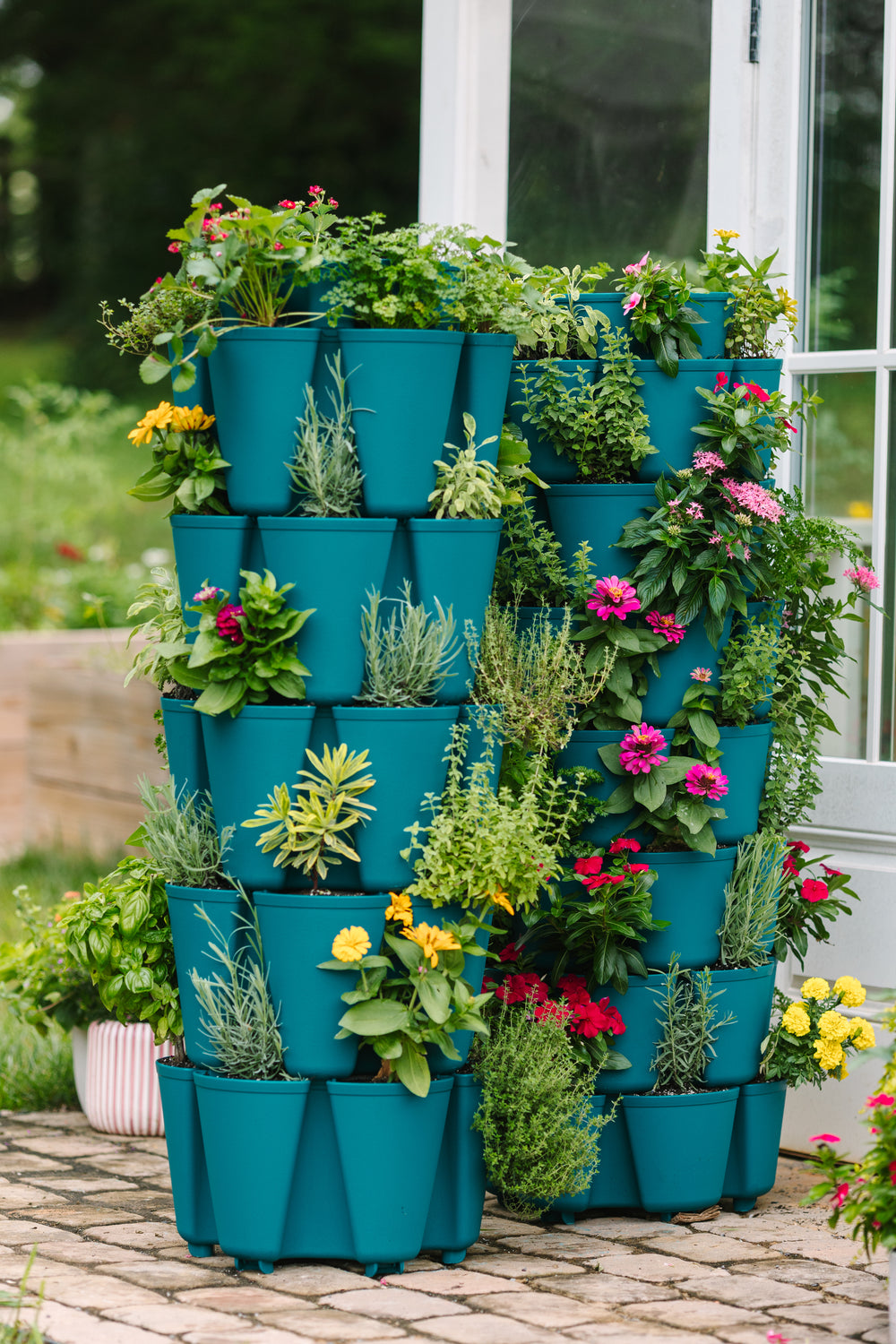



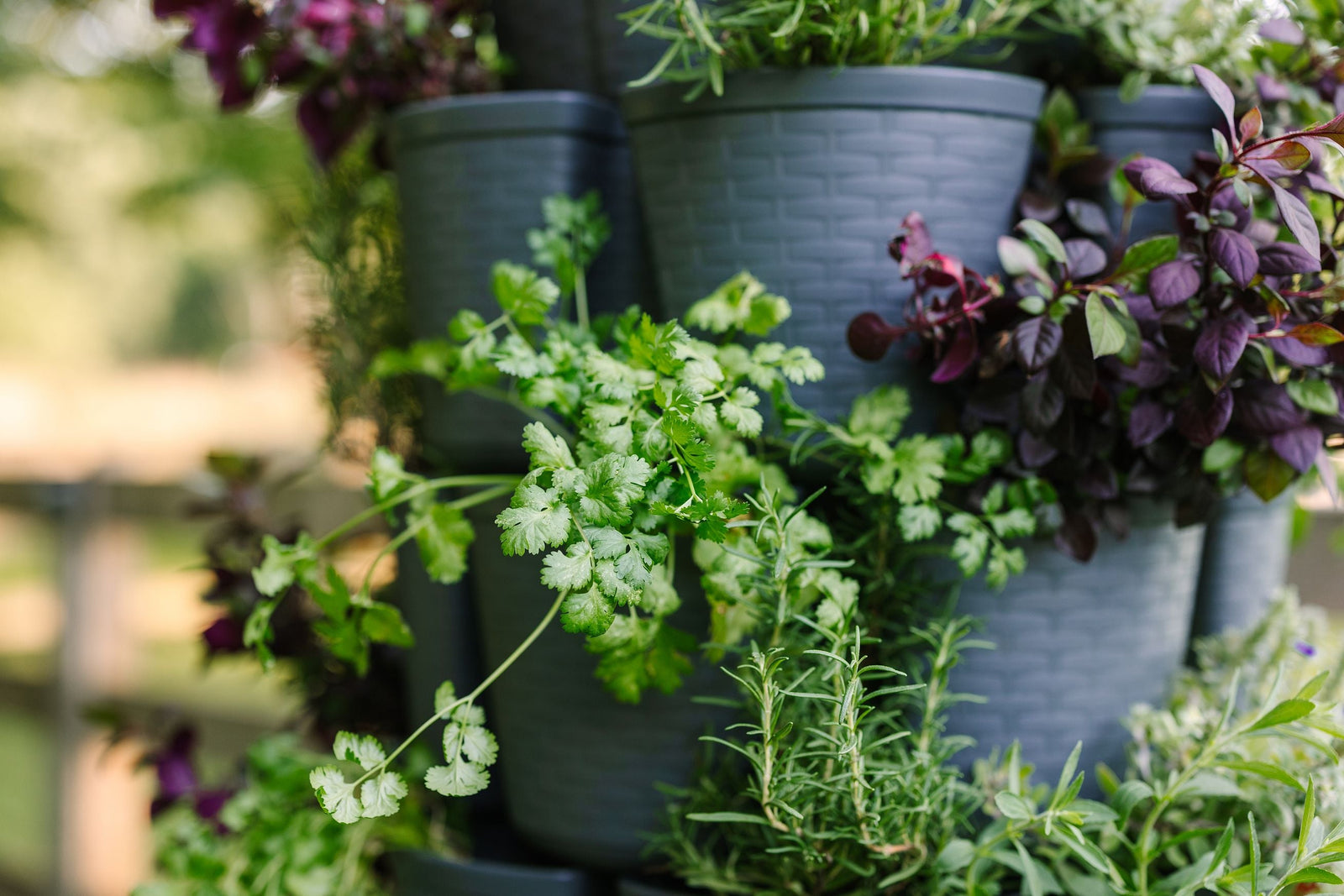

Cilantro grown at home is infinitely more fresh than the big bunch you get from the grocery store. Rather than being stuck with more than any recipe calls for (while the rest turns to slime in the back of the crisper drawer), you could walk out to your GreenStalk, snip exactly what you need, and find yourself adding fresh herbs to more dishes than you ever imagined.
Beyond the leaves, cilantro is a two-harvest herb. The same plant that brightens your salsa and finishes your tacos will eventually produce coriander seeds — a warm, citrusy spice used in everything from Indian curries to pickling brines. Knowing how to work with both stages of this plant makes it one of the most versatile and rewarding crops in a vertical garden.

Cilantro Fast Facts:
Cool or warm weather: Cool season
Size: Small/compact
Sun: 4-6 hours (tolerates partial shade)
Days to maturity: 30-60 days
Water: Consistent moisture; avoid water logging
Original or Leaf GreenStalk: Either (Leaf works great)
GreenStalk level: Upper pockets or any shaded position
Plant support needed: No
Planting & Growing
Cilantro is one of the few herbs that is best directly sown, but if buying transplants, choose small ones and avoid disturbing disturb the roots.
Sow seeds 2-4 weeks before your last expected frost date in spring, or again in late summer for a fall harvest. Cilantro thrives in soil temperatures between 50-68°F and will typically sprout in 7-10 days. Plant seeds about ¼ inch deep and thin to 2-3 plants per pocket once seedlings are established.

Best Cilantro Varieties for Your GreenStalk
Not all cilantro is created equal, especially when it comes to heat tolerance. Choosing the right variety can add weeks to your harvest window!
Slo Bolt — The top pick for extending your season. Bred specifically to resist bolting, this variety can give you 2-3 extra weeks of leafy production compared to standard types. Highly recommended.
Santo — A reliable all-purpose variety with classic cilantro flavor. Fast-growing, easy to find, and great for succession planting.
Calypso — Developed for heat tolerance with upright, compact growth that suits container pockets well. A strong choice for gardeners in warmer climates.
Watering & Fertilizing
Cilantro is a light-to-moderate feeder compared to heavy hitters like corn or tomatoes, which makes it a low-maintenance addition to your GreenStalk. The key is consistent moisture without sogginess. Water when the top two inches of soil feels dry to the touch, typically every 1-2 days in warm weather.
At planting, mix a quality potting soil with a granular fertilizer likeFox Farm Jump Start 3-4-3 and worm castings as you would with your regular GreenStalk setup. Cilantro doesn't need heavy feeding after that. Too much nitrogen late in the season can actually push the plant toward bolting faster.

Bolting: Working With Cilantro's Timeline
Once temperatures consistently reach around 75-80°F, cilantro interprets warmth as a signal to flower and set seed. This is called bolting.
Signs that bolting is approaching:
A thick, upright center stem begins to develop
Leaves become smaller and more feathery (lacy-looking)
Flower buds appear at the top of the plant
Once you spot flower buds, pinch them off, and cut the thick center stem out. This can buy a bit more leafy growth. And always harvest outer leaves first, taking no more than one-third of the plant at a time to keep it in active leaf production as long as possible.
For a full breakdown of placement strategies, succession timing, and variety tips that work for cilantro and other cool-season herbs, check out our post on why herbs bolt too soon and how to prevent it.

Succession Planting for Continuous Harvest
The most reliable way to have fresh cilantro all season is not to rely on a single planting. Sow new seeds every 2-3 weeks in different pockets of your GreenStalk, staggering your harvest windows so there's always something ready to snip. Cilantro can be companion planted with tall or vining plants like tomato, eggplant, and cucumber as a “fill in” for pocket space.
Example succession planting schedule:
Start spring plantings 2-4 weeks before last frost
Continue succession planting every 2-3 weeks through late spring
Take a break during peak summer heat (or shift to heat-tolerant herbs in those pockets)
Resume plantings in late summer, 8-10 weeks before first expected fall frost
The GreenStalk's multi-pocket design makes staggered planting easy without sacrificing space — a few pockets at peak harvest, a few coming up, and fresh leaves available throughout.
Harvest & Storage
Harvesting Leaves
Begin harvesting once plants reach 6 inches tall. Always target outer leaves first, cutting cleanly at the stem near the base of the plant, rather than tearing. Harvest in the morning after dew dries for the best flavor. Fresh cilantro keeps 1-2 weeks when stored upright in a glass of water in the refrigerator, loosely covered with a bag.

Harvesting Coriander Seeds
When cilantro’s season is winding down, consider letting it go all the way to seed. Once the flowers fade, small round seed clusters will form. Allow them to mature on the plant until they turn tan or light brown, then snip the seed heads into a paper bag and let them finish drying for another week or two.
Coriander seeds can be used whole or ground as a spice (wonderful in homemade spice rubs and baked goods), saved for next season's planting, or even scattered directly back into an empty pocket for a self-sown succession.
For more ideas on making the most of your cilantro — including herb oil cubes, drying methods, and compound butters — our guide to preserving herbs walks through every technique worth knowing.
You’re Ready to Grow!
Cilantro is proof that the best herbs are the ones you grow yourself. Fresh, flavorful, and always exactly as much as you need. With the right varieties, thoughtful succession planning, and some TLC, you can enjoy a steady supply from early spring well into fall. Happy growing!