



While your GreenStalk might be overwintering outside or stacked neatly in the garage, winter is actually a very important time for spring garden success. This quieter season offers time to think, dream, and design the garden you really want to grow.
Planning and dreaming IS part of gardening. The anticipation, the flipping through seed catalogs, the sketching of what goes where - they’re part of the joy! And when done thoughtfully during winter, they transform your spring experience from reactive scrambling to confident execution.
Don’t worry - we’re not creating rigid schedules or trying to overwhelm you with tips. It's about intentional design. By the time spring arrives, you'll know exactly what to grow, where to put it, and why it matters to you.

Start with Goals, Not Seeds (Just Yet)
Before you even touch a seed catalog, ask yourself: What do I want from my garden this year?
Maybe you're growing fresh food and cutting grocery bills. Perhaps you want beautiful flowers to brighten your space and attract pollinators. Are you interested in preservation and canning for year-round eating? Teaching kids where food comes from?
There's no wrong answer - and your goals might include several of these. Defining them matters because your goals shape everything else: variety choices, how much space to dedicate to what, and ultimately, your definition of "success."
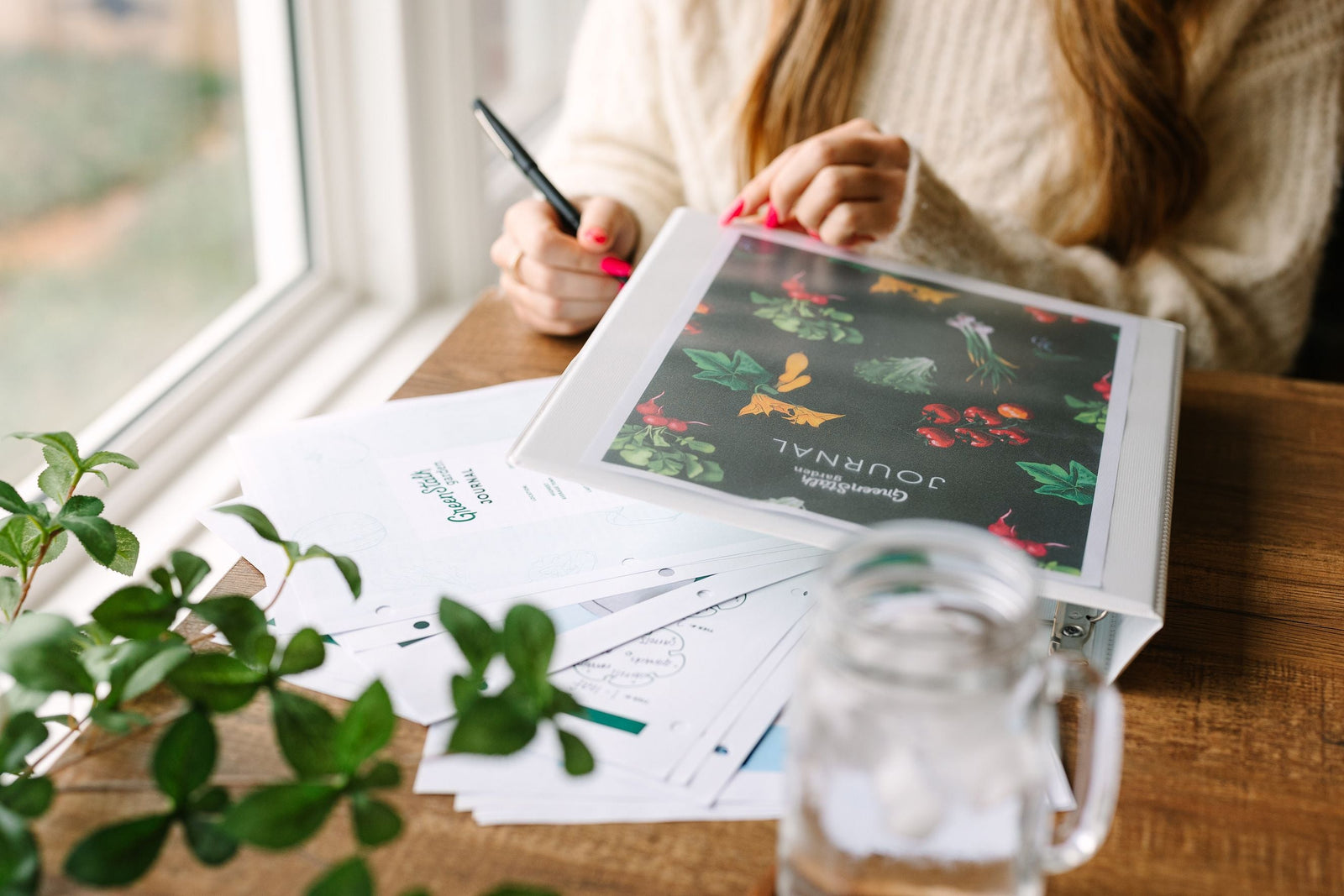
Reflect on last season. If you gardened last year, now's the time to review: What worked? What flopped? What did you run out of too soon? Keeping a simple garden journal charts your progress and saves you from repeating mistakes, as well as helping you double down on what you enjoyed most.
From Goals to Garden
Once you've defined your vision, you can select crops and varieties with confidence.
Your goals determine what fills those pockets. If food production drives you, work backwards from what you actually eat. Make salads five times a week? Dedicate serious space to lettuce with succession plantings. Constantly buying fresh basil or dill at the store? Give herbs their own tier. For flower lovers, consider bloom times, colors, and whether you're growing for cut arrangements or pollinator support. If you're into preserving, choose high-yield varieties designed for canning and freezing - paste tomatoes, pickling cucumbers, bush beans.
Also consider:
Compact or dwarf varieties that work beautifully in vertical space
Days to maturity so you can coordinate timing across your season
Disease resistance for less hands-on pest management
The balance between heirloom flavor and hybrid reliability
Popular seed companies ship orders in late winter, and varieties sell out. Ordering now means you get the first pick of what you actually want to grow.
For detailed pocket planning examples organized around complete meals, see Growing a Full Meal Vertically: A Tier-by-Tier Planting Guide.

Map Your Season & Space
You don't need a rigid day-by-day schedule, but you do need to understand your season's rhythm.
Know your last spring frost date (and first fall frost). Work backwards from there to figure out when seeds need to be started indoors (typically 6-8 weeks before transplanting), when cool-season crops can go in early (lettuce, kale, peas), and when warm-season transplants move outside after frost danger passes (tomatoes, peppers, squash).
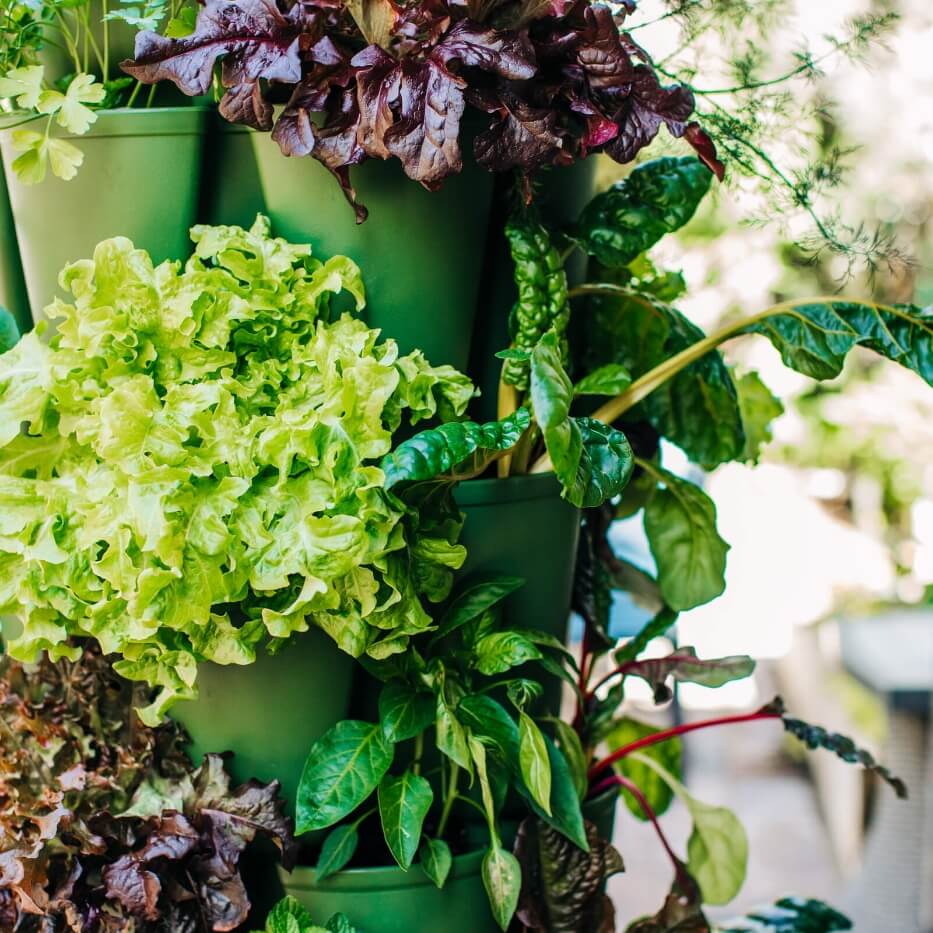
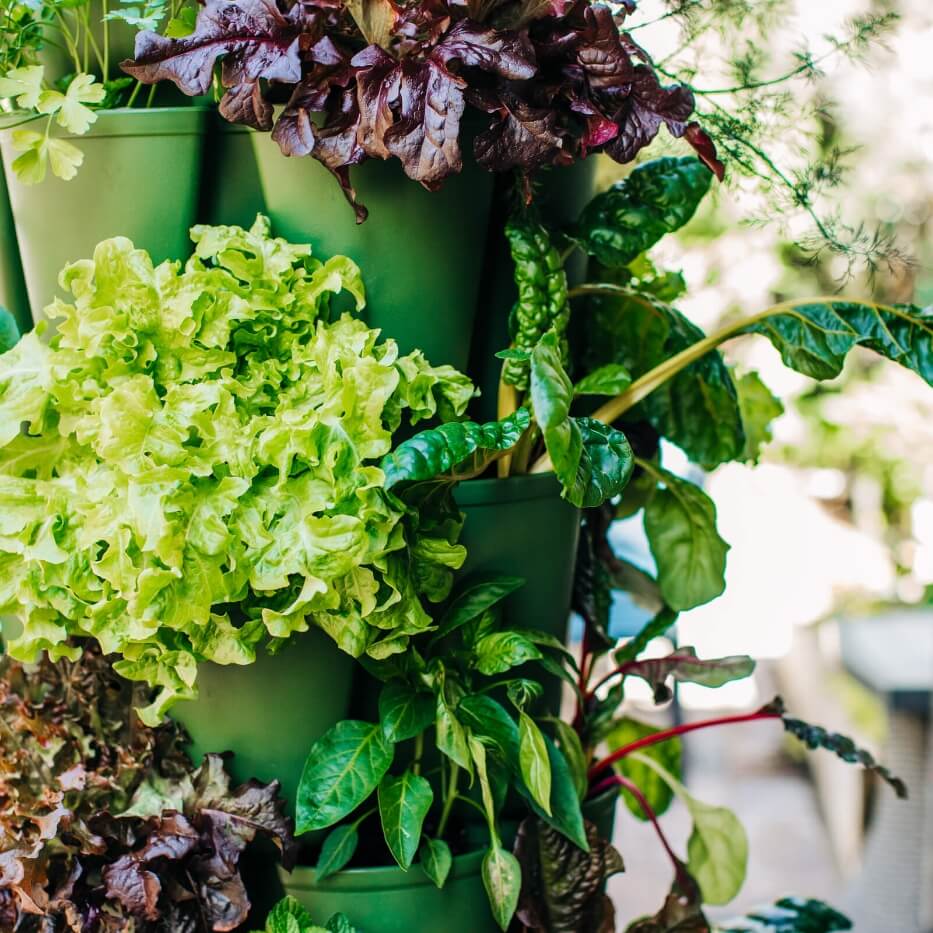
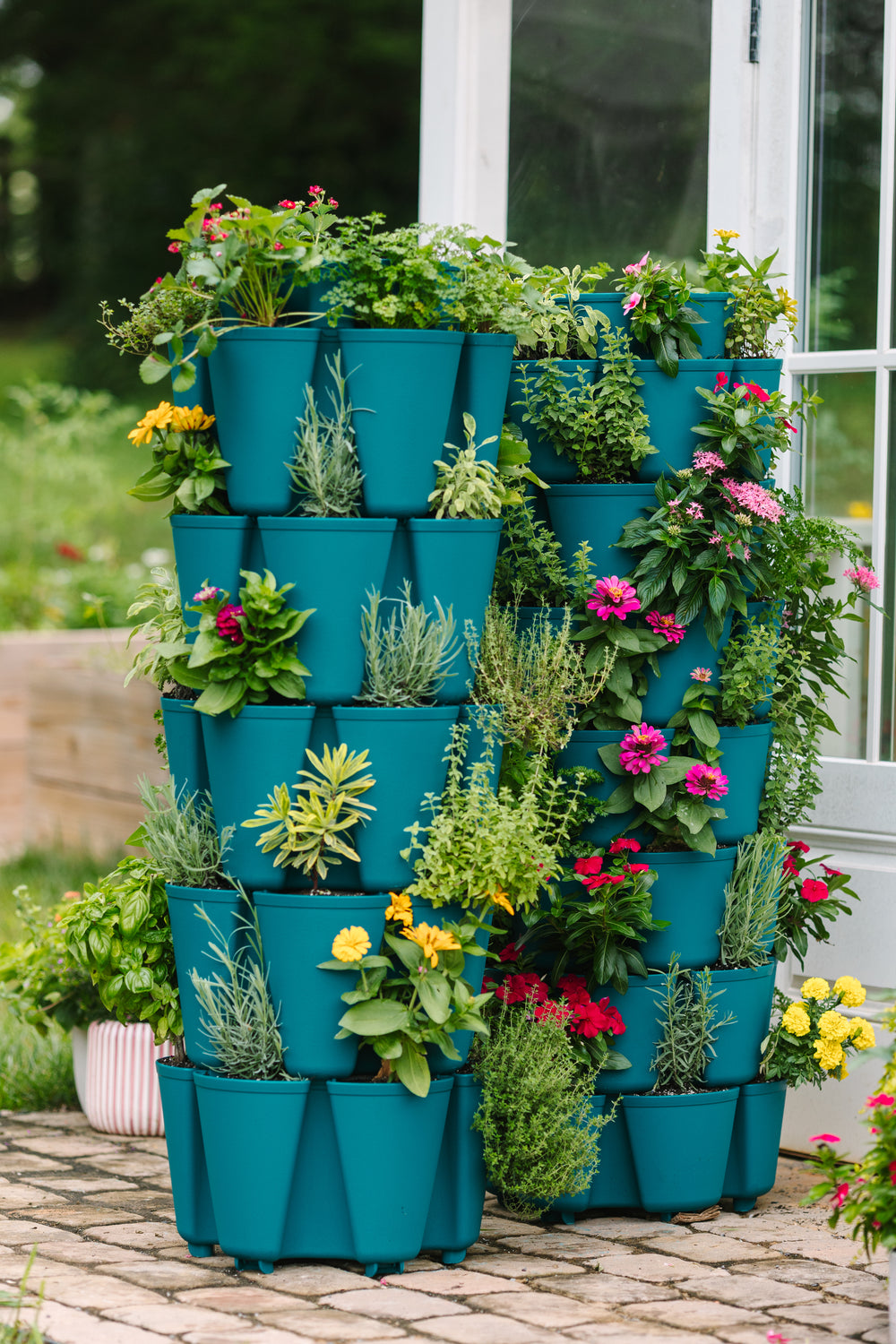
Planning your GreenStalk pockets prevents confusion down the line. The key principle: plant large plants on bottom tiers and smaller plants on top to prevent shading issues. If you're mixing sizes throughout your planter, we recommend keeping Original tiers below the Leaf tiers for stability.
Understand plant density too. Small plants like loose leaf lettuce, carrots, radishes, and spinach can go 3+ per pocket. Large plants like tomatoes, peppers, broccoli, and cucumbers need 1 per pocket. When in doubt, give plants more space rather than crowding them.
From Planning to Planting
Seed starting is where your plan becomes reality. Starting seeds indoors gives plants weeks of growth before they can safely go outside. That crucial head start extends your harvest season.
Gather what you need now:
Quality potting soil or starter mix
Adequate lighting
Warm spot for germination
For complete guidance on which seeds to start indoors versus direct sow, planting depth, germination requirements, and hardening off seedlings, see A Guide to Starting Seeds.

Start Small, Build Confidence
Don’t worry, you don't need to tackle every planning step at once! Choose one area to focus on this week, and each week after. Whether you’re writing down your garden goals, bookmarking seeds for your favorite crops, or sketching out which pockets will hold what plants, you’re making gardening a yearlong practice.
Have questions as you plan? Join our GreenStalk Gardening Facebook Group where thousands of vertical gardeners share their planning strategies, favorite varieties, and pocket arrangements. You can also reach us directly at support@greenstalkgarden.com - we love helping gardeners design their best season yet.
Related Readings