


A Complete Transition Guide
Staring at your GreenStalk Vertical Planter, wondering what stays and what goes? That post-season mix of thriving plants, questionable soil, and half-dead stems creates decision paralysis for even experienced gardeners. Here's how to make smart reset decisions without second-guessing yourself all season.
Decision #1: Is This Plant Actually Done?
The difference between stressed and finished plants comes down to recovery patterns. Heat-stressed plants wilt during the day but perk up in the evening and morning. Truly done plants show persistent wilting plus yellowing leaves that don't recover, even with adequate moisture.
One unmistakable sign of the end of a plant’s growing cycle is bolting — forming flower heads and going to seed. Once this happens, there's no returning them to leaf production and they’re best harvested to make room for next season.
Disease red flags that require action: Black, mushy areas on stems or roots, or sour/rotten smells mean remove those plants immediately. Diseases spread quickly and can harm plants that aren’t yet done growing.

Decision #2: Keep This Soil or Toss It?
Three quick tests tell you what you need to know about your soil's readiness:
Smell test: Healthy soil smells earthy and sweet — that's beneficial bacteria at work. Sour, ammonia-like aroma can signal problems. Plants typically show the stress of disease, so if you can see it, snatch it!
Squeeze test: Good soil holds together briefly when squeezed, then crumbles. Stays clumped = too heavy or overwatered. Won't hold together = lacks organic matter. If there are no other issues than moisture and nutrition, this soil can be reused with additional soil and amendments.
Performance review: Did the plants thrive or struggle? Cheap soil without regular amendments like worm castings and granular fertilizer may lead to stunted plants. If your plants did well, you can keep amending the same soil for another season!
Each tier shares a soil area, so if one or more pockets, but not the whole tier, are experiencing soil issues, check the balance of your GreenStalk to be sure the watering system is flowing correctly. The Spinner Base with Wheel Kit makes your GreenStalk easy to move and spin to make sure each side gets sun exposure evenly.


Decision #3: Refresh or Replace Completely?
The sweet spot lies in targeted amendments. Soil that looks good but has been used might benefit from Lead Gardener Susie's in-pocket method: add granular fertilizer and worm castings directly to individual pockets, work into existing soil, then top with 2-3 inches of fresh potting mix.
Timing saves money: If you’re not planning a winter garden, skip fall soil prep. It just degrades all winter.
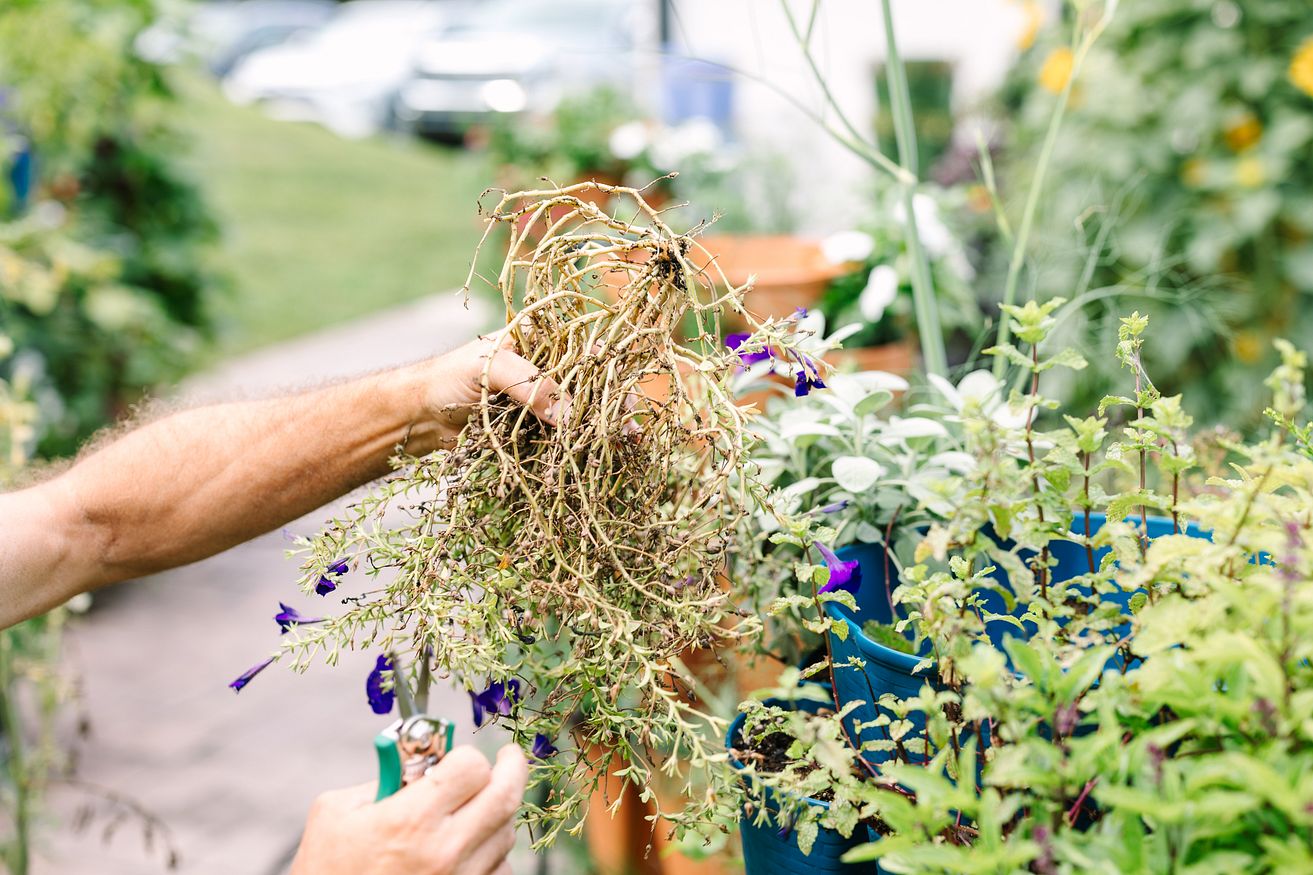
If you won't replant until spring, cut spent plants at soil level but leave the root systems in place. The roots slowly decompose over winter, adding organic matter and preventing soil erosion from winter rain and snow. Come spring, pull out any remaining stalks and roots when you're ready to replant, then add your amendments just before spring planting.
Decision #4: Start Seeds Indoors or Direct Sow?
Some gardeners use the 70-day rule to simplify: Seeds requiring more than 70 days to maturity benefit from indoor starting. Under 65 days can usually be direct sown.
Quick reference:
Start indoors: Tomatoes, peppers, eggplant (8-10 weeks before last frost)
Either method works: Lettuce, spinach, kale
Direct sow preferred: Beans, peas, radishes, carrots

Your GreenStalk's watering system helps maximize your direct sown seeds chance of germination. In addition to watering through the reservoir, be sure to pre-moisten individual pockets for ideal germination conditions.
Pre-Planting Confidence: Set Yourself Up to Win
Pre-moistening prevents most failures: Wet down pockets using both reservoir and individual watering before planting seeds. Dry soil will float seeds out of place and prevent them from sprouting.
Expect settling: Dry soil compresses after first watering, which should be while you’re doing the season’s initial soil and amendment installation. Plan to add more soil after settling rather than overfilling initially.
Succession advantage: Plant the same crop in different pockets 2-3 weeks apart, spreading out your harvests and lengthening each crop’s growing season.
The reset process becomes intuitive once you view each tier individually in addition to being part of an all-inclusive system. Trust the simple tests — smell, squeeze, and performance review — and most of all, trust what your plants are telling you!

When in doubt, err on refreshing rather than replacing. Most soil issues stem from nutrient depletion, and targeted amendments address this efficiently.
Ready to put these decisions into action? Check out our soil reuse guide and planting guide to plan your refreshed GreenStalk setup.
Products Featured In This Blog