



"Lazy" gets a bad reputation in the garden. But there's a difference between neglect and knowing where to put your effort. Anyone could be a lazier gardener by easing their load with a few strategic choices. Pick the right plants, set up the right systems, and your GreenStalk can produce more food while asking less of you.
What makes a plant lazy-gardener-friendly
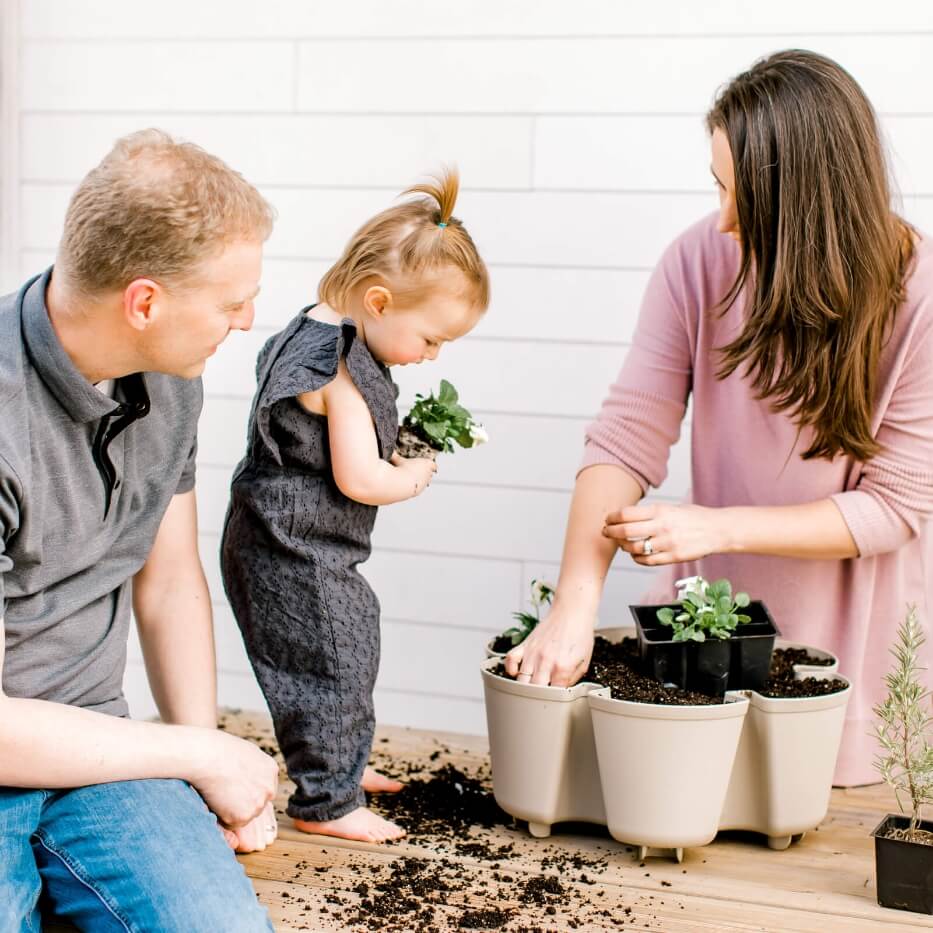
Set yourGreenStalk Vertical Planter up for success by mixing potting soil, worm castings, and a granular fertilizer before you plant your first seeds. In selecting your plants, choose with care level in mind: hardiness, disease resistance, water needs, and low nutrient demands. These will be the plants that convert less input into more output, which is the whole game if your goal is bounty without a second job.

The picks: herbs, tomatoes, beans, and greens
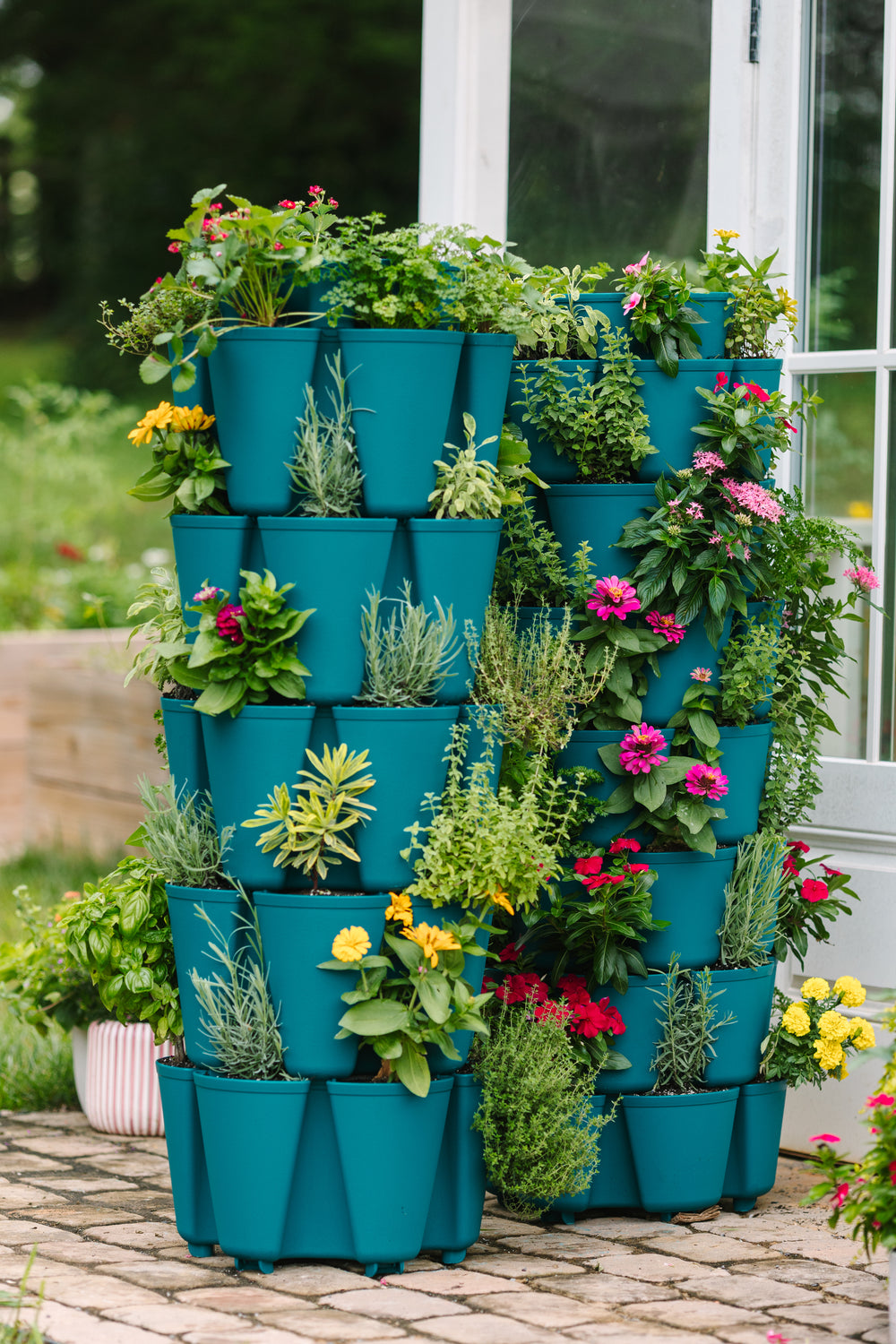
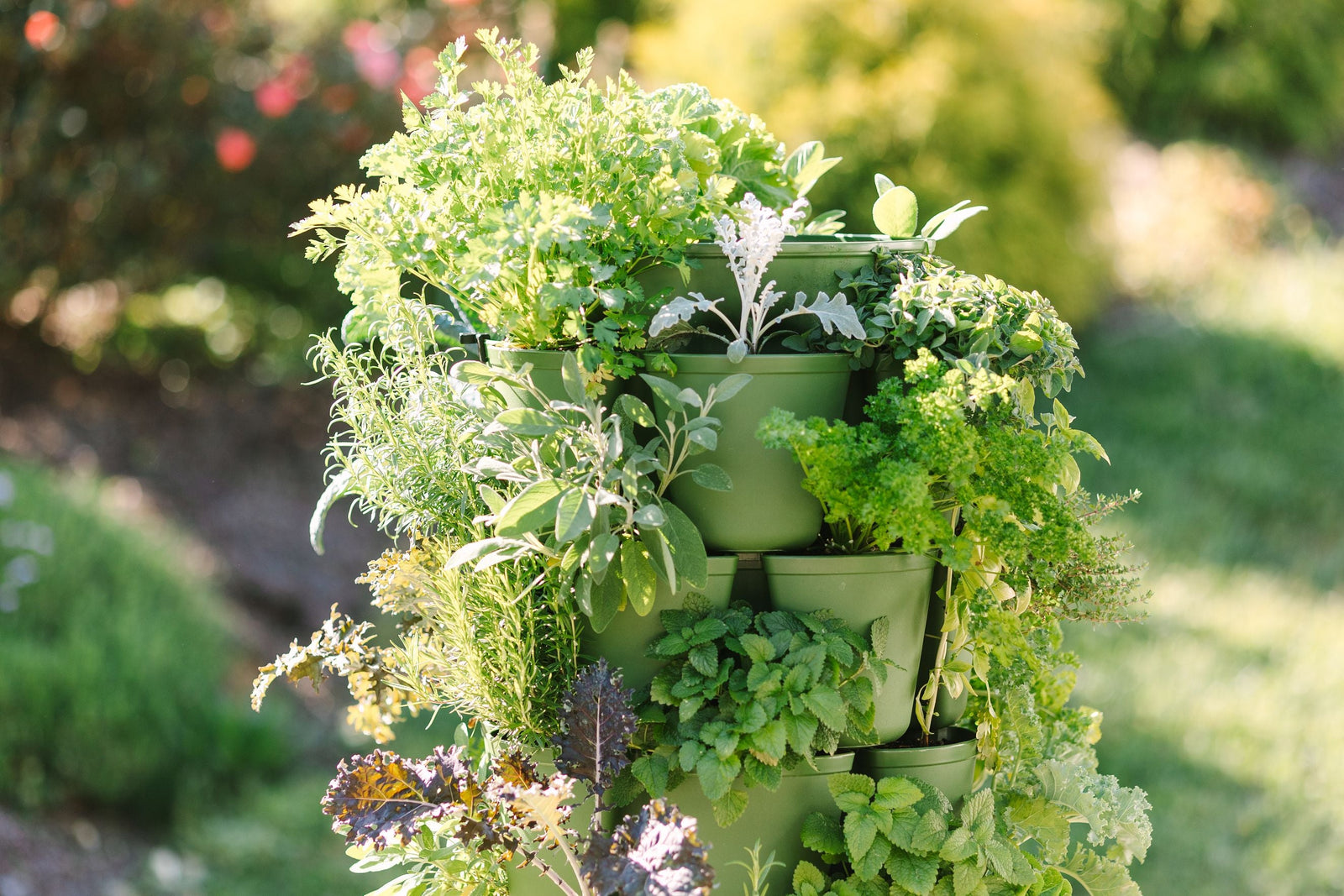
Herbs offer the most versatility with the least effort. Rosemary, oregano, thyme, and chives are naturally pest-resistant, tolerate missed waterings once established, and keep producing all season with almost no attention. Tuck them in-between fruiting crops and harvest as you cook.
Tomatoes are the classic high-reward pick. Once they start producing, they don't stop. The catch is that tomatoes are also prone to common diseases like blight and wilt, so the plant that rewards you most is also the one where variety selection matters most. More on finding the right one below.
Bush beans are a lazy gardener's dream: no trellis or staking required, and as legumes, they actually enrich the soil around them as they grow, giving back to your tower while they feed you.
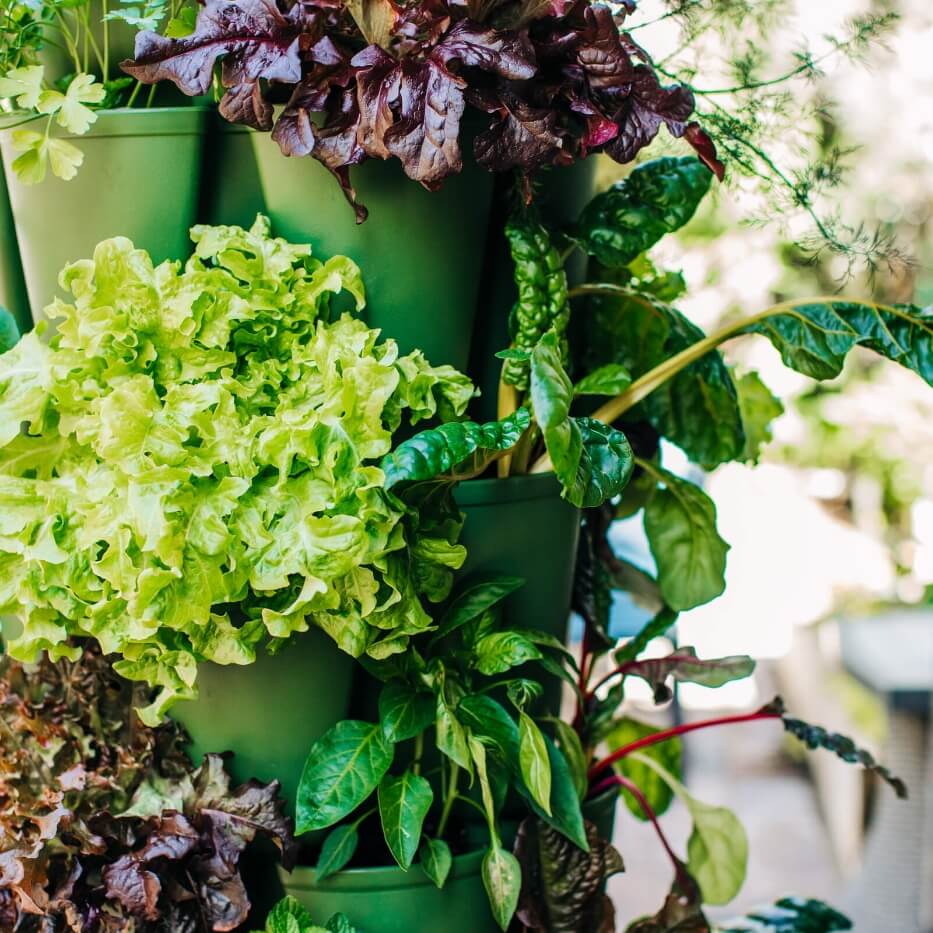
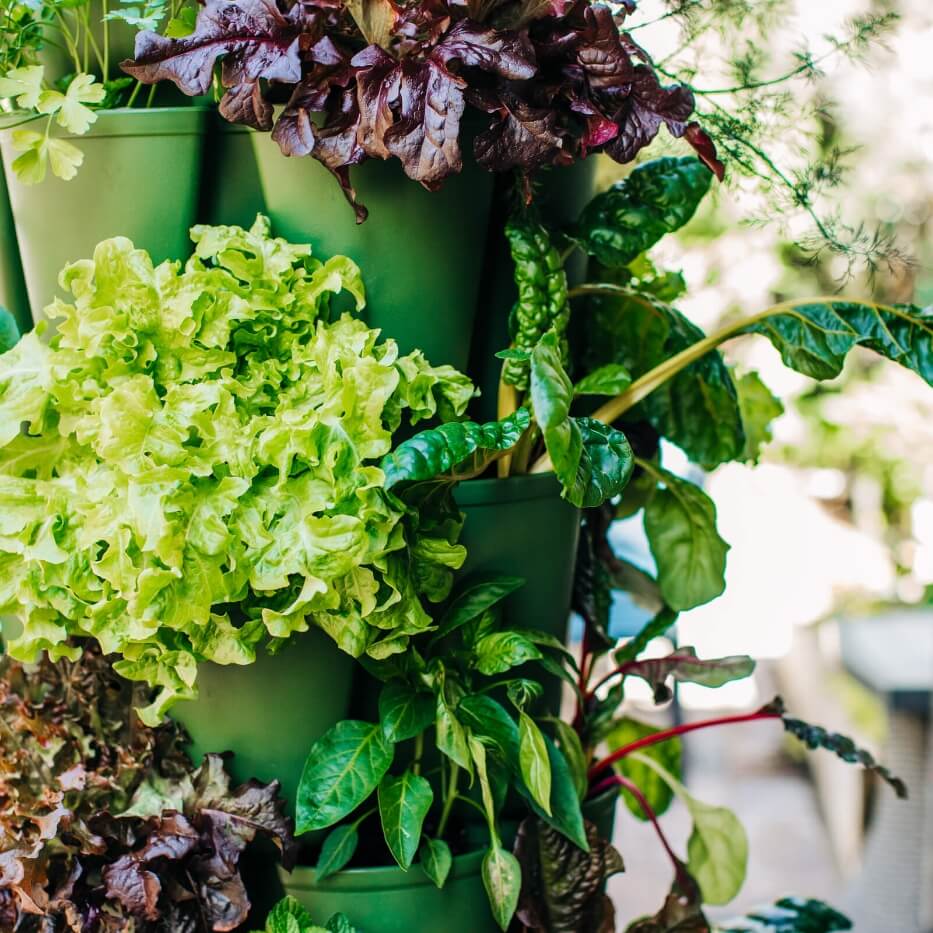
Salad greens are made for cut-and-come-again harvesting. They're fast to mature, tolerant of the partial shade lower tiers can get, and forgiving if you're a few days late to pick.

How to actually find disease-resistant seeds
This part takes a little upfront effort, but it pays off all season. Wherever you garden in the U.S., your state has a land-grant university running a cooperative extension office. Most publish an updated list of vegetable varieties tried and recommended for your exact climate, disease resistance included.
To find yours, search "[your state] cooperative extension recommended vegetable varieties," or call your county extension office directly. It's a free public resource, often staffed by Master Gardener volunteers who love this stuff.
Once you're seed shopping, look for letter codes on the packet or online listing: V, F, N, T, and so on. Each one stands for a disease that variety resists. A little research before you plant means a lot less troubleshooting once you're growing.
Let the watering system do the work
Watering is the chore most likely to fall off a busy gardener's radar, and the one most worth automating. The GreenStalk Spring Watering System connects to a standard garden hose and waters your entire tower for you, top to bottom.
Add the Bluetooth Timer and you can set a schedule right from your phone. Set it once, and your tower gets watered whether you're at your desk, out of town, or just enjoying a day off from the garden.

Feed it right, twice a month
For the biggest harvest with the least fuss, start with potting soil amended with worm castings, mixed with a granular fertilizerat planting. Then, every two weeks, give your tower a liquid feed alongside a regular watering.
Put a recurring reminder on your calendar for every other week, and let it do the remembering for you. It's a small habit that pays off in a much bigger bounty.
Gardening smarter, not harder
That's the whole strategy: choose plants that do most of the work themselves, automate the watering, keep the feeding on a schedule, and harvest becomes a daily reward. Less maintenance, more food. Whether or not you’d consider yourself a “lazy” gardener, or someone who appreciates a helpful system, we hope your GreenStalk garden continues to be a place of joy. Happy gardening!