


With 18-42 planting pockets in a GreenStalk Vertical Planter, the possibilities can feel endless — and overwhelming. The good news? You can grow almost anything, from compact root vegetables to sprawling vines. The better news? A few strategic planning decisions turn those pockets into a productive, beautiful garden that matches your goals.
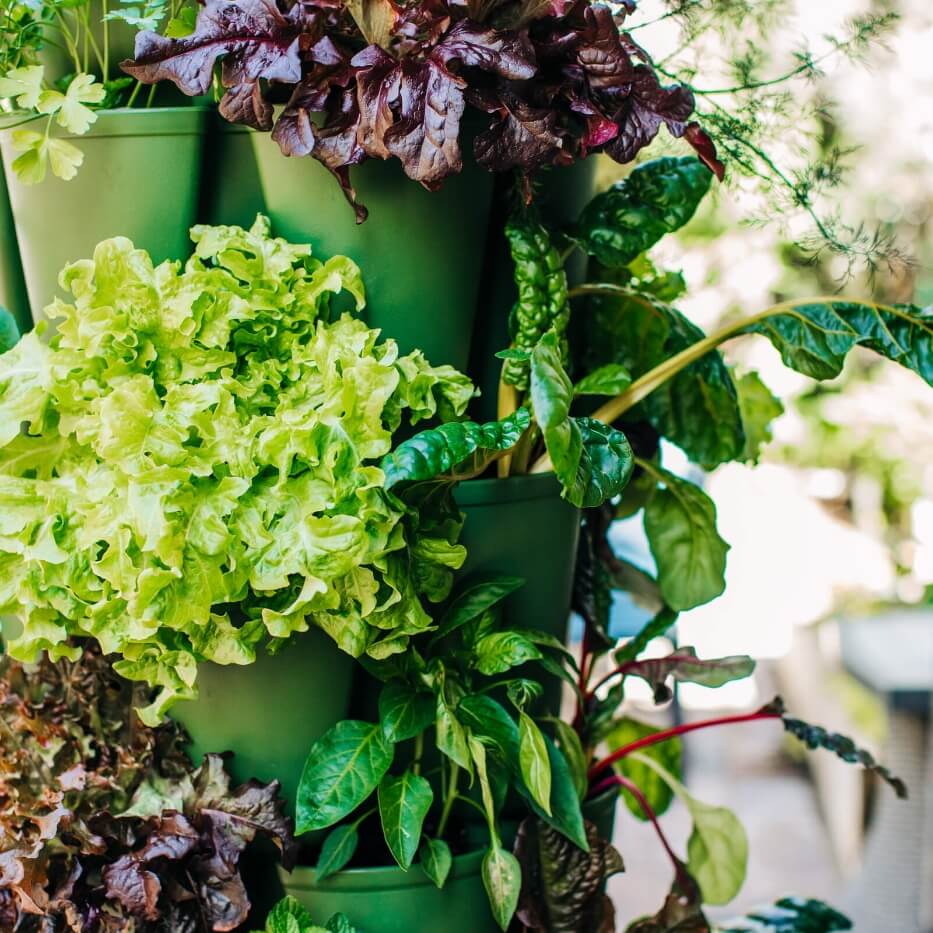
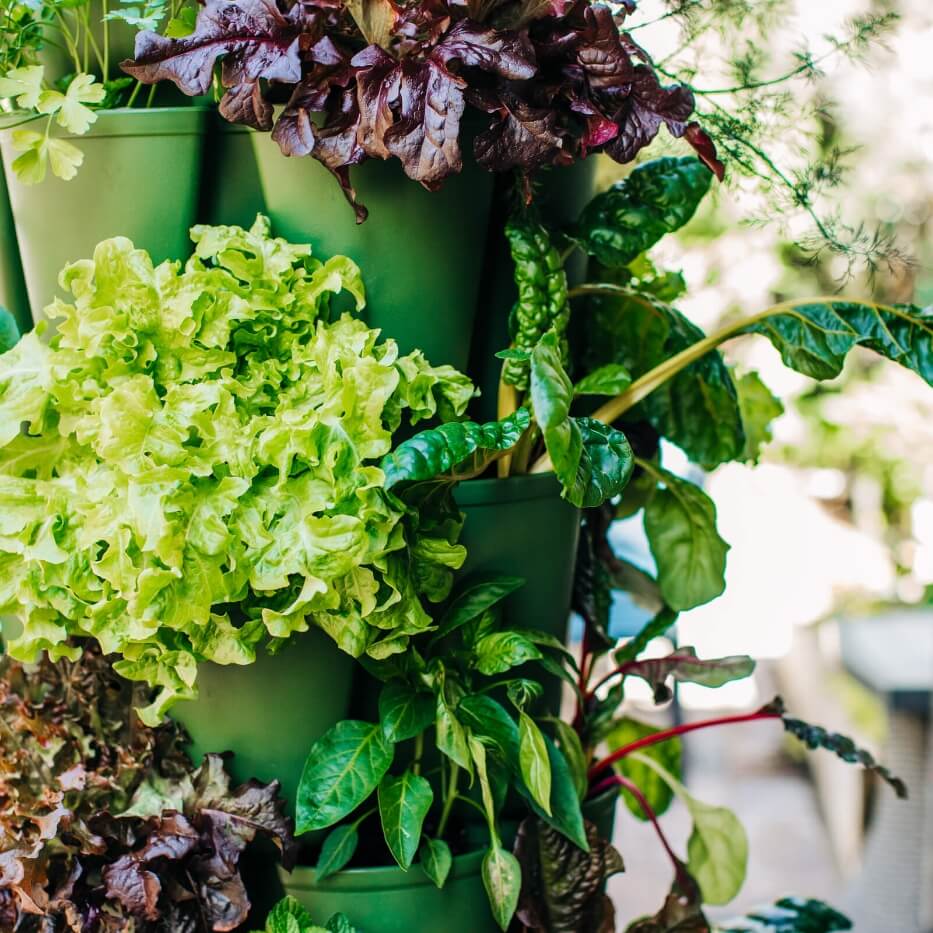
The GreenStalk team likes to grow 1-5 different plant types per vertical planter and may plant identical planters to compare growth patterns.
Grow What You Love to Eat
If you grow tons of beets but no one in your household eats them, you'll be stuck with produce you can't use. The harvest is one of the most rewarding parts of gardening, so plan for crops you'll actually enjoy and use.
Here's some inspiration for what you can grow in a GreenStalk — if your favorites aren’t listed here, don’t lose heart! Experiment, and reach out to us if you need some tips.


Fruits and Vegetables
Arugula, basil, beet, bok choy, broccoli, bush bean, cabbage, carrot, cauliflower, corn, cucumber, eggplant, garlic, kale, kohlrabi, leek, lettuce, okra, onion, parsnip, pea, pepper, potato, radish, spinach, squash, strawberry, sweet potato, Swiss chard, tomato, turnip, watermelon, zucchini
Herbs
Basil, chives, cilantro, dill, fennel, lavender, lemon balm, mint, oregano, parsley, rosemary, sage, thyme
Flowers
Calendula, celosia, cosmos, dwarf sunflowers, lavender, marigolds, snapdragons, sweet peas, tulips, zinnias, and MANY others
For detailed growing instructions and variety recommendations, check out the GreenStalk Edible Plant Guide.

Now, how you organize those crops depends on your goals:
Single Crop Abundance
Dedicate one entire GreenStalk to tomatoes for sauce-making, or fill all pockets with strawberries for preserving and sharing. This focused approach works beautifully when you have a specific preservation or gifting goal. You can grow both determinate and indeterminate tomato varieties successfully.
Continuous Kitchen Garden
Mix herbs with 2-3 vegetables that mature at different rates for ongoing harvests. One tier of lettuce feeds a family of four for a week. One tier of basil, oregano, and thyme provides a season's worth of fresh herbs for cooking. Combining quick-maturing crops like radishes with slower-growing peppers or tomatoes keeps something ready to harvest throughout the season.
Experimental Variety
Plant something different in nearly every pocket to discover your favorites and keep your cooking interesting. This approach lets you test new varieties, compare growth patterns side-by-side, and learn what thrives in your specific microclimate. The compact nature of GreenStalk pockets means experiments stay manageable.
For inspiration on organizing your tower around specific meals and flavor combinations, explore our Full Meal Vertical Planting Guide.
Strategic Placement Tips
A few practical considerations ensure your plants have the best chance to thrive in vertical pockets.
Position shade-tolerant crops and larger plants on lower tiers if you're mixing large and small plants. Lettuce and spinach benefit from afternoon shade cast by plants above. Alternatively, keep all light-loving plants together on one side and all shade-tolerant crops on the other.
Give large vegetables 18-36 inches of clearance from walls, railings, and other GreenStalks. A personal lesson learned: broccoli planted too close to a deck railing adjusted by growing up and sideways to avoid the obstruction, so it wasn't ideal. Vigorous growers need room to spread.
Keep a clear path to your water reservoir. Don't block yourself in with garden placement or let sprawling plants cover the fill point. The GreenStalk's internal watering system distributes water evenly to all tiers through the reservoir, so maintaining easy access keeps watering simple.
Alternate tiers when mixing plant sizes rather than grouping all large plants together. This creates a more balanced appearance and prevents heavy, mature plants from weighing down one section of your vertical planter.

Choose Your Garden Style
A GreenStalk garden looks different depending on what you're growing, and every season is a chance to try something new. Understanding your style preference (and your gardening zone) helps you select the right varieties and plan your space.
Overflowing Abundance
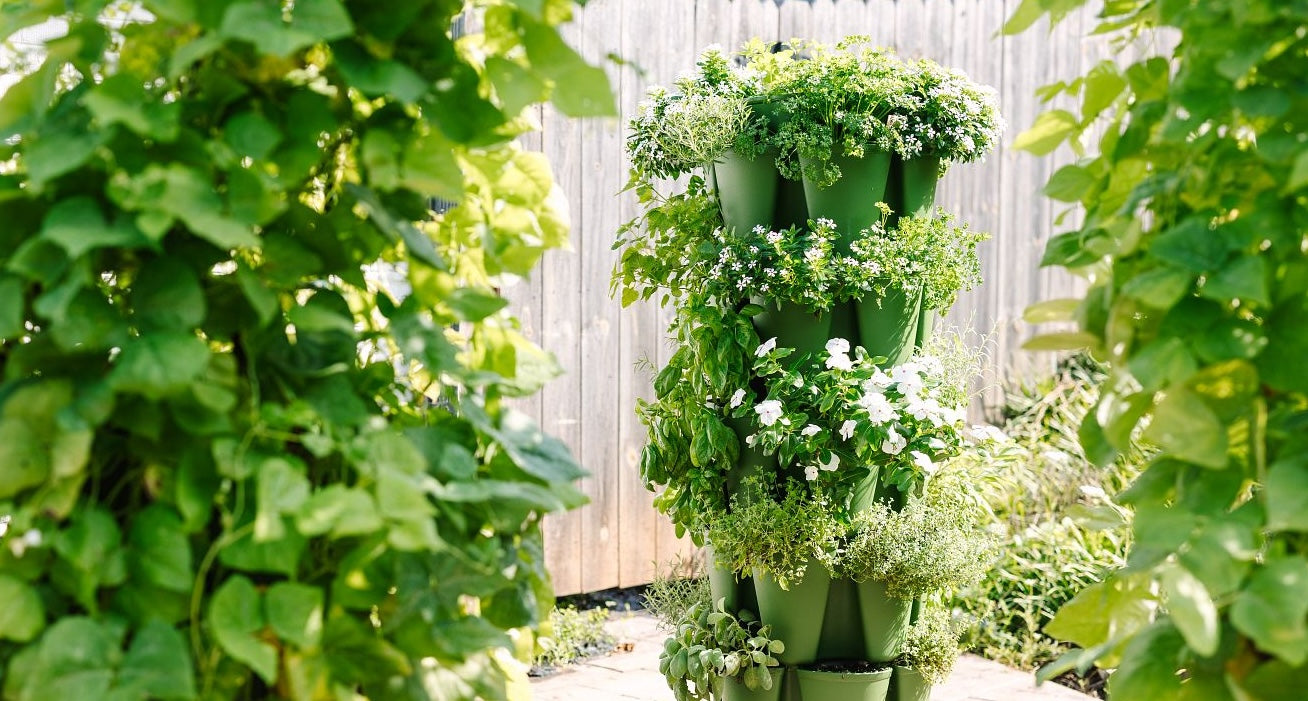
Large plants like tomatoes, cucumbers, squash, sweet potatoes, and peppers will completely cover your GreenStalk, creating a lush, dramatic display. These vigorous growers work well planted throughout all tiers since they naturally cascade and fill space. The result is maximum production of single crops — perfect if you're preserving, canning, or sharing harvests.
Manicured & Tidy
Compact plants like carrots, strawberries, beets, lettuce, and certain flowers stay contained within their pockets, creating a more groomed appearance. This style allows for greater variety since each pocket remains distinct. You'll harvest smaller quantities of many different crops, which is ideal for diverse cooking and experimenting with new varieties.
Mixed Approach
Combining large and small plants takes strategic placement. Plant smaller plants on upper tiers where they won't be shaded by larger plants below. Position larger plants on lower tiers where they can spread without blocking light to plants above. This balanced approach gives you both abundance and variety.


Start Growing with Confidence
You really can grow almost anything in a GreenStalk. The key is growing what you love to eat!
New to vertical gardening? Try a simple combination first: tomatoes, basil, and peppers in one vertical planter create a complete pasta garden. Or dedicate one to herbs—oregano, thyme, parsley, cilantro, and chives—for year-round cooking enhancement. Once you see how the pockets work together and how the watering system supports plant growth, you'll have the confidence to experiment with more ambitious plantings.
What are your favorite plants to grow in the GreenStalk? Share your combinations and discoveries with us at support@greenstalkgarden.com!
Happy Gardening!