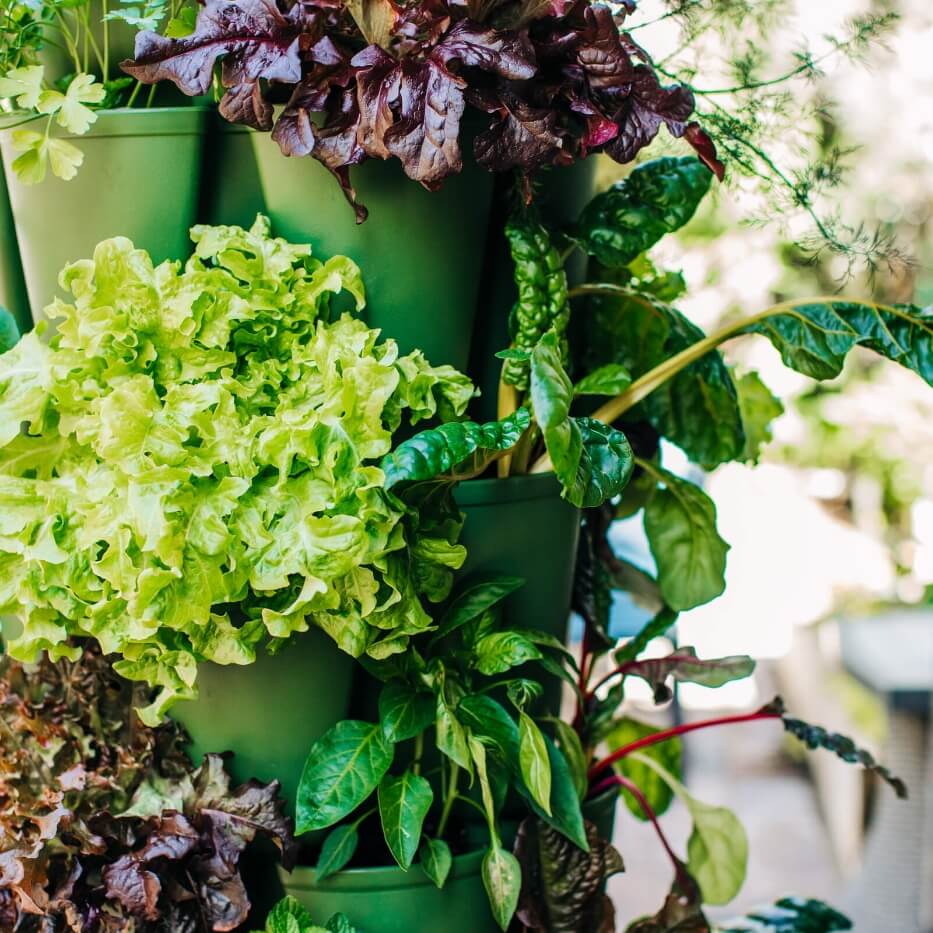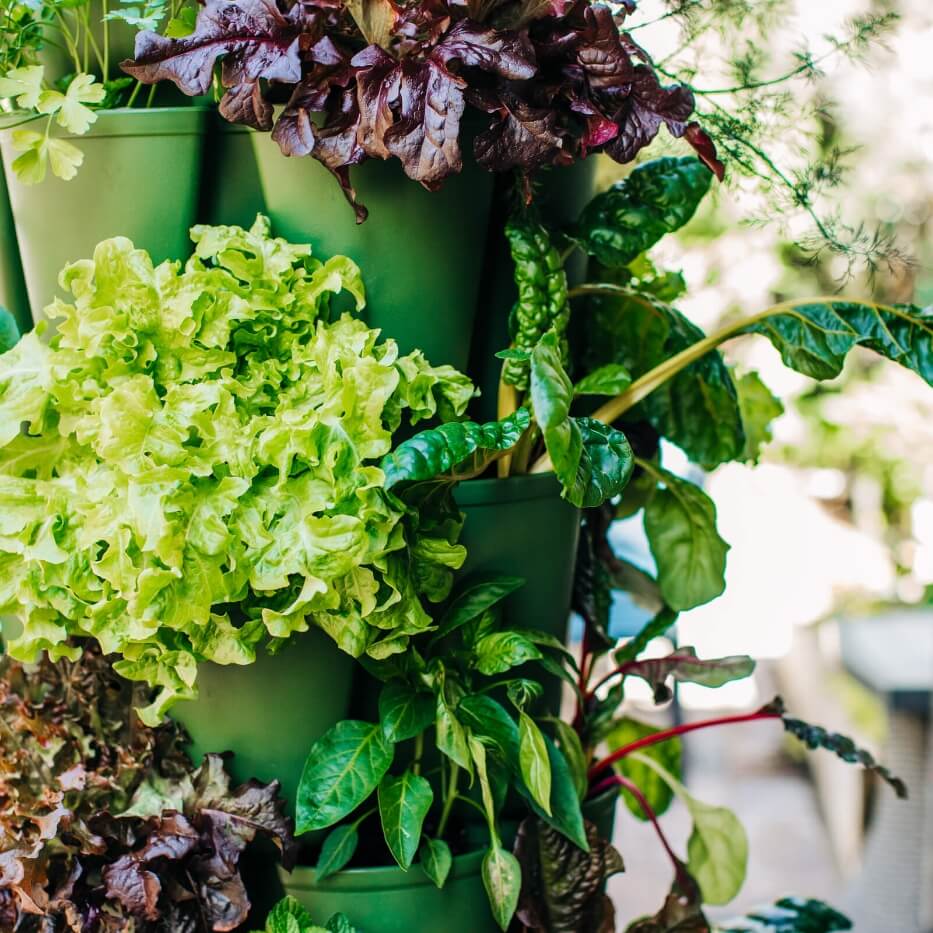




Fresh herbs from your garden are little jewels for your favorite dishes, tasting bright and fresh compared to store-bought packages that wilt on arrival. And they gorgeously fill out spaces between fruit-bearing pockets. But when warm summer days spell the end for your herbs, here are a few ways you can extend your season.
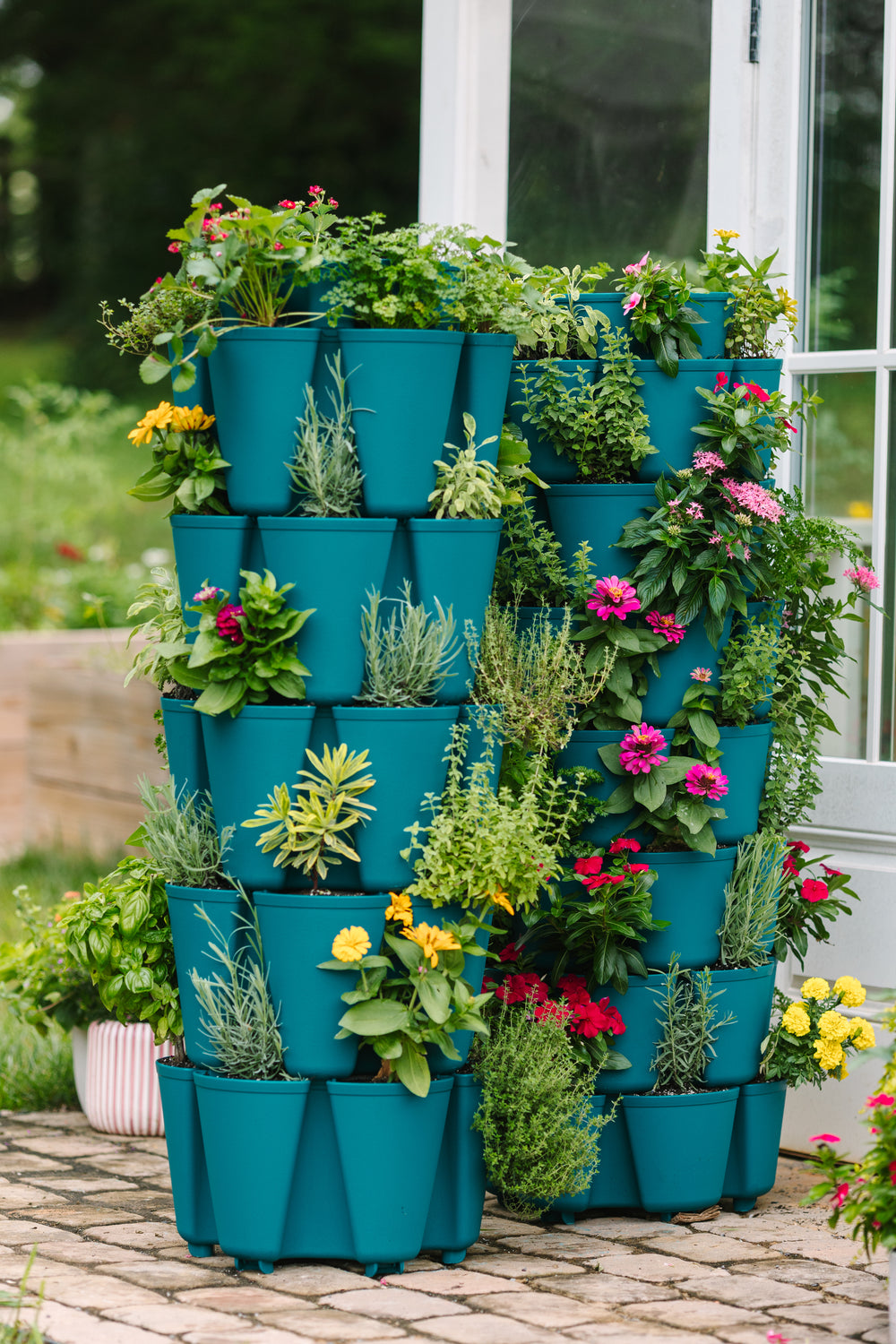
Smart placement and strategic harvesting can keep them all productive for weeks longer than you might expect. Your GreenStalk Vertical Planter gives you an advantage here, especially with the GreenStalk Ultimate Spinner with Wheel Kit — you can easily move your herbs to follow the best growing conditions throughout the season.
Finding the Sweet Spot for Your Quick-Bolting Favorites
Cilantro, dill, and parsley share a common trait: they sprint toward flowering once temperatures consistently hit around 80°F. Unlike heat-loving basil that can handle at some of summer's intensity, these cool-season herbs treat rising temperatures as a signal to reproduce quickly. Understanding this timing helps you work with their natural cycles while maximizing your yield.

Strategic placement techniques that extend your harvest:
Morning sun, afternoon shade positioning – Place your planter where herbs receive 4-6 hours of morning light but escape intense afternoon heat. East-facing locations work perfectly.
Seasonal mobility for temperature control – Start spring plantings in full sun, then relocate to partial shade as temperatures climb above 80°F consistently.
Group containers for mutual cooling – Position multiple planters together so taller, sun-tolerant herbs like basil and sage can shade lower pockets growing cilantro and parsley.
Time plantings to avoid peak heat – Plant cool-season herbs 2-4 weeks before your last frost, then again in late summer when temperatures drop below 80°F.
For maximum heat tolerance, choose varieties bred for extended harvests. 'Slo Bolt' cilantro from quality seed suppliers can give you 2-3 extra weeks compared to standard varieties, while 'Fernleaf' dill resists bolting significantly longer than traditional types. Consider these varieties when planning your Organic Cool Weather Seed Bundle plantings.
Strategic Pinching and Picking Techniques
Regular harvesting is your most powerful tool for keeping herbs in their leafy growth phase. When you consistently remove outer leaves and growing tips, plants redirect energy toward producing more foliage instead of rushing to flower. The key is knowing how much to take and when to take it.

Herb-specific harvesting strategies:
Never harvest more than one-third of any plant at once – This rule applies across all herbs and prevents shocking the plant into premature bolting.
Cilantro: Target outer leaves first – Harvest the older, outer leaves regularly while leaving the center growing point intact. Watch for that telltale thick center stem starting to develop.
Dill: Pinch growing tips early and often – Remove the topmost fronds when plants reach 6-8 inches tall to encourage bushier growth lower on the stem.
Basil: Remove flower buds immediately – Cut flower stalks 1.5-2 inches below the bud formation, not just at the base. This aggressive pinching can buy you several more weeks.
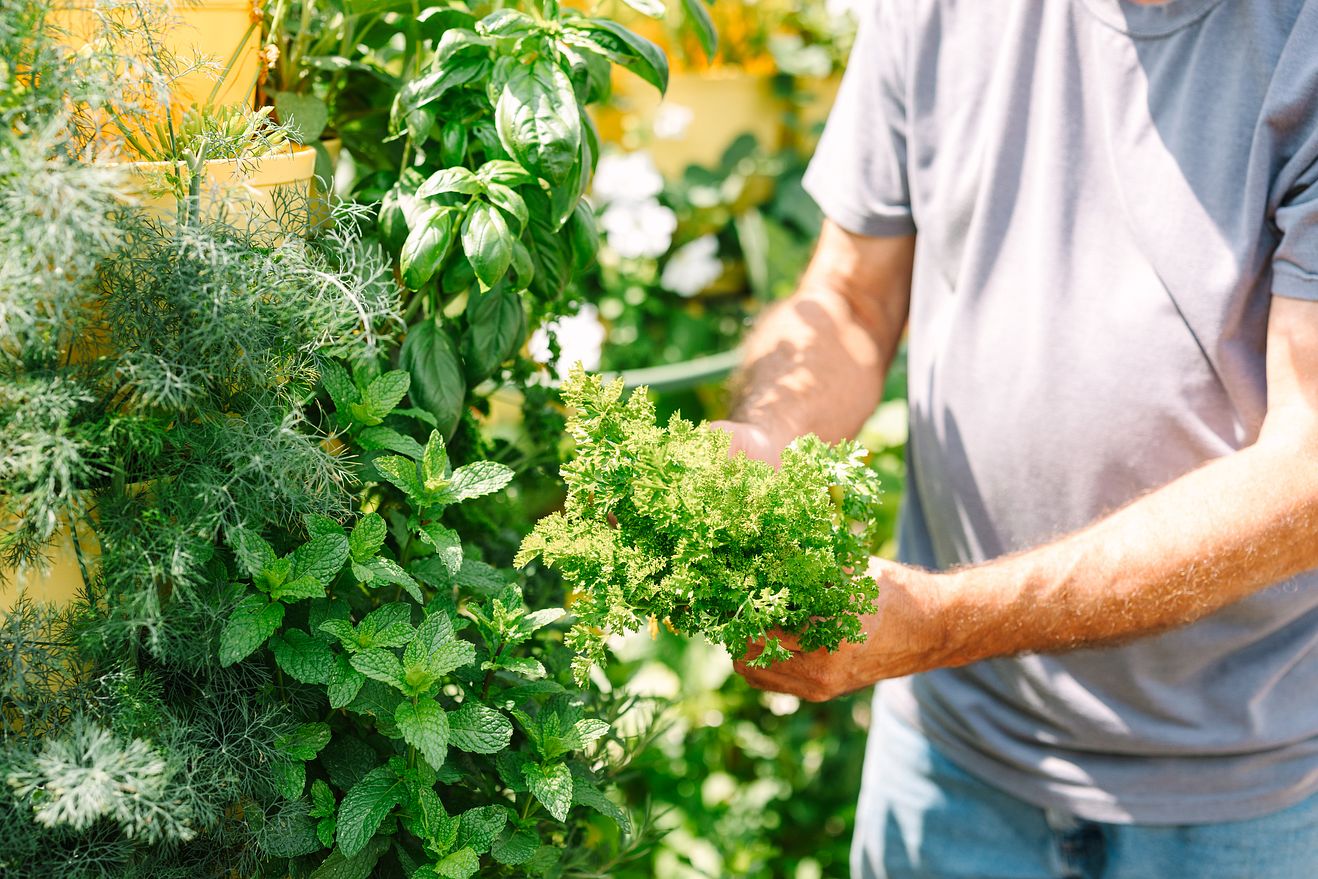
Parsley: Cut outer stems at soil level – Take whole stems rather than individual leaves, cutting cleanly at the base to stimulate new growth from the center.
The moment you see flower buds forming on any of these herbs, remove them immediately. Once those buds open into flowers, leaf quality declines rapidly as the plant shifts all its energy into seed production.
Working with Nature's Timeline
Even with perfect placement and diligent harvesting, your herbs will eventually bolt—and that's completely normal. The smart approach is planning for this natural cycle rather than fighting it. Your vertical planter's multiple pockets make succession planting simple and space-efficient.
Your succession strategy:
Plant new seeds every 2-3 weeks in different pockets while existing plants are still productive
Stagger varieties by heat tolerance – Start cilantro and dill in early spring, followed by parsley, then transition to heat-tolerant oregano and basil for summer
Allow plants to bolt beneficially – Let dill and cilantro flowers develop to attract beneficial insects, then collect seeds for next season's plantings.
Cilantro (called coriander in the seed stage) and dill seeds are seasonings in and of themselves! They can be used for flavorings in a wide variety of dishes, in addition to saving the seeds.

Heat-tolerant alternatives for continuous harvest:
We also love oregano and thyme, which we talk more about in herbs we love to grow vertically , keep producing through summer heat. Oregano, in particular, becomes more flavorful in warm weather and rarely bolts in its first year. These hardy herbs can accompany tall tomatoes and other fruiting plants, maximizing your GreenStalk’s productivity across multiple seasons.
Consider varieties from the Organic Warm Weather Seed Bundle for seamless transitions as seasons change. The beauty of vertical container gardening is this flexibility — you're not locked into a single growing plan but can adapt as conditions change.
As much as we’d love to prevent the inevitable, gardening means working on the plant’s timeline. These tips can help manage the timing to maximize your harvest!
With smart placement, strategic harvesting, and succession planning, you can enjoy fresh herbs like cilantro, dill, parsley, and more for months longer than traditional gardening methods allow. For more specific variety recommendations and growing techniques, check out our guide to summer herbs and how to use them .