



Somewhere between the eggshells in your compost bin and the bag of bone meal at the garden center, there's a sweet spot: DIY garden amendments made from things you'd otherwise throw away.
Making your own amendments comes with three real perks: You get to save money, control exactly what goes into your soil, put kitchen scraps, bones, fire pit ashes, or fish trimmings to work instead of sending them to the landfill.
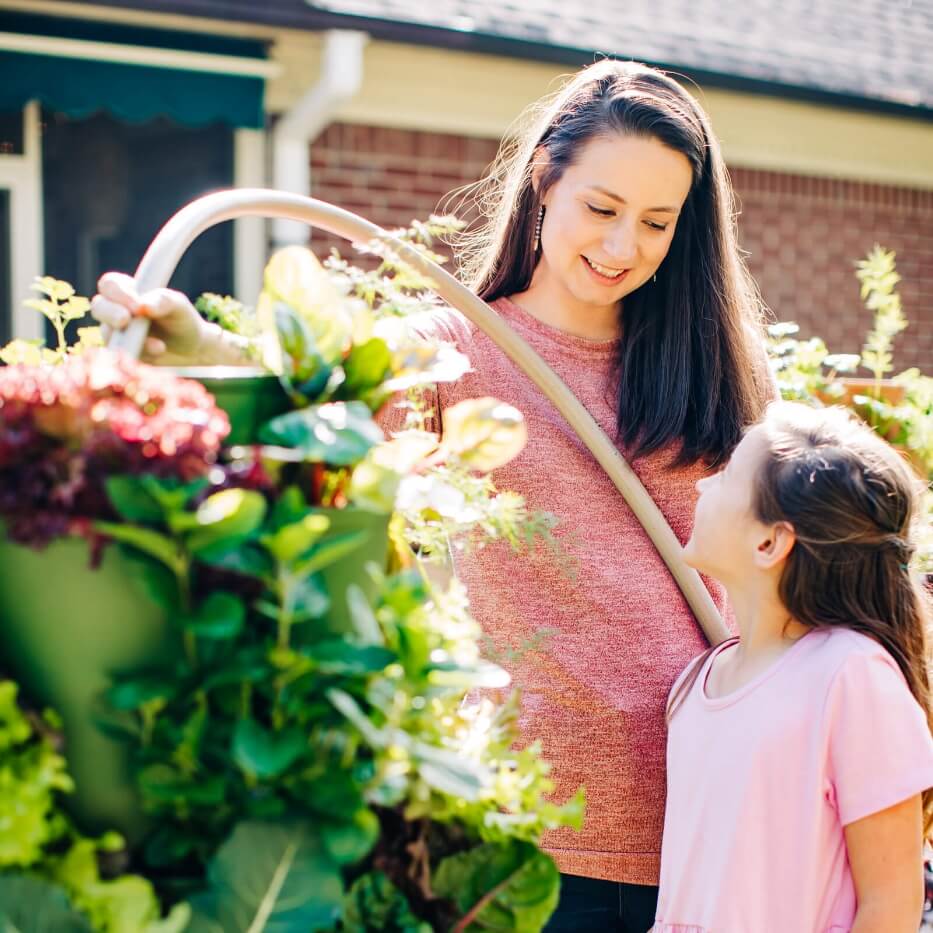
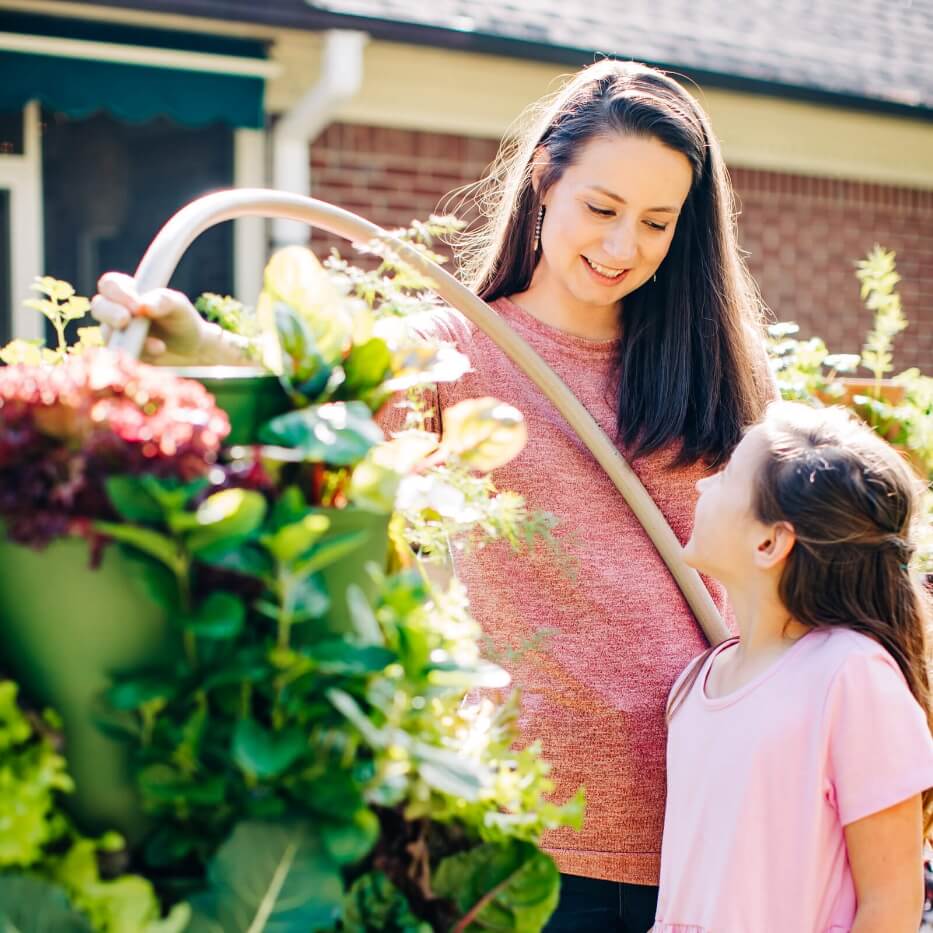
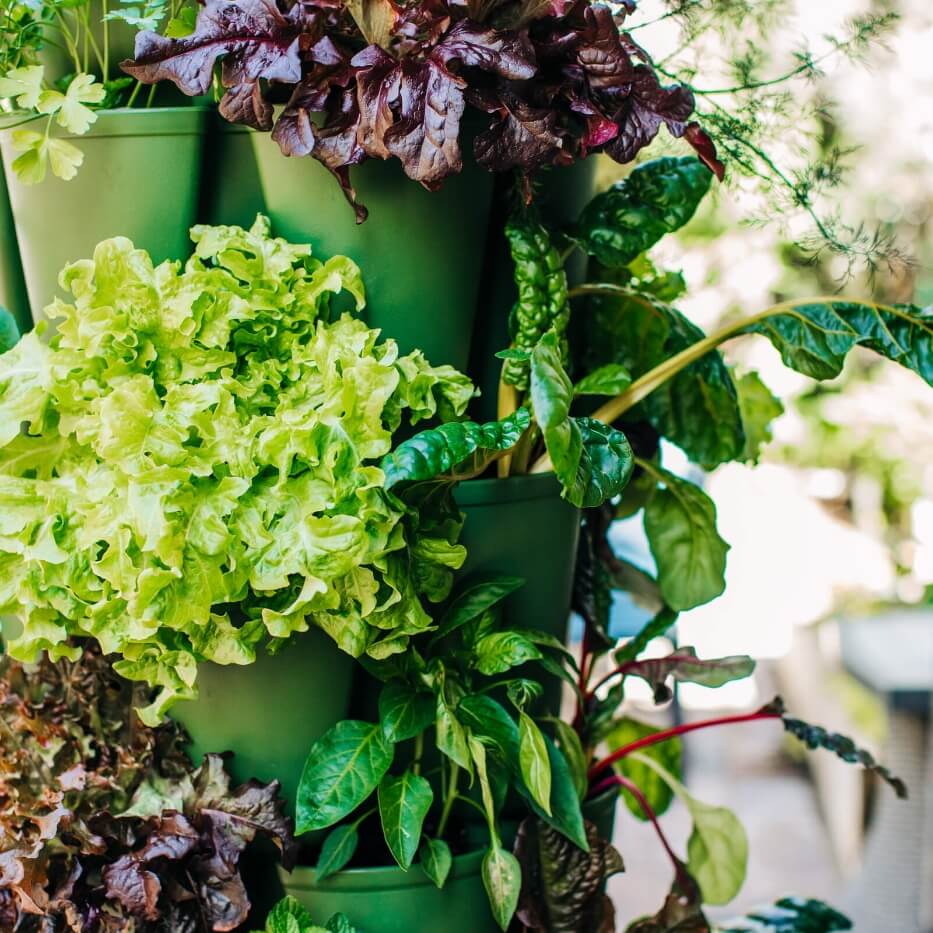
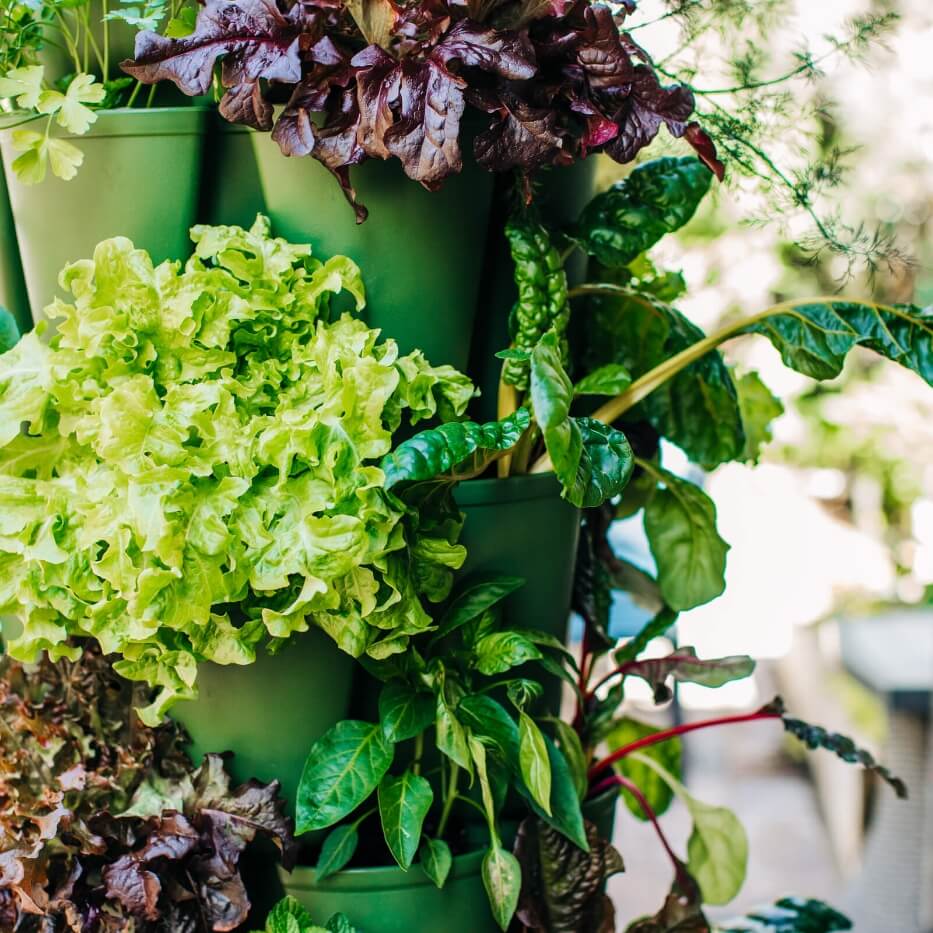
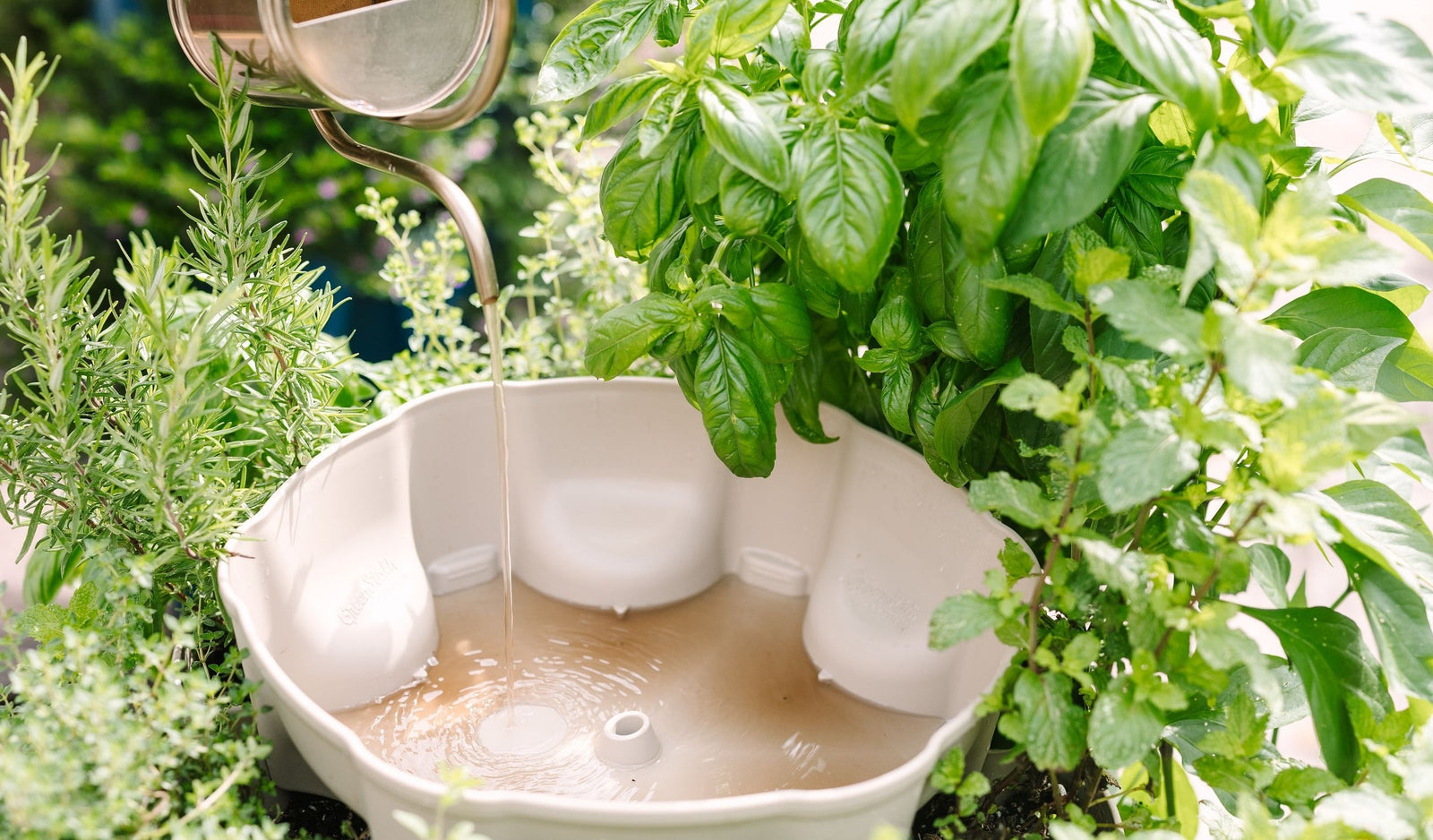
A quick GreenStalk-specific note before we dive in: because of the patented internal watering system, liquid amendments are especially easy to apply — just pour them into the top reservoir and let gravity carry them through every tier. Solid amendments work best when mixed into the soil during initial setup or seasonal refresh, since they stay put in whichever pocket they land in.
Here are five DIY amendments worth trying, organized by where they come from.


From the Kitchen
Eggshell Powder
What it provides: Calcium, which helps prevent blossom-end rot in tomatoes and peppers and supports overall plant structure.
How to make it: Rinse eggshells, dry them out (a low oven works, or just leave them on the counter), then grind them in a blender or food processor until they're a fine powder. The key word is fine. Coarse pieces of shell break down too slowly to do much good.
How to use it: Mix a tablespoon or two into each pocket when planting tomatoes, peppers, or eggplants. You can also make an eggshell foliar spray by dissolving the powder in boiling water, letting it steep 24 hours, then straining and spraying directly on leaves.
GreenStalk tip: Best added when filling tiers at the start of a season. The foliar spray makes a great mid-season boost for fruiting plants.
Spent Coffee Grounds
What it provides: Slow-release nitrogen, plus trace amounts of phosphorus, potassium, calcium, and magnesium. And it improves soil structure over time.
How to use it: Work spent grounds into the soil at about a half-inch depth, rather than piling them on top. A thick crust of grounds on the surface can actually repel water — not what you want with the GreenStalk's gravity-fed watering system.
One important caveat: only use spent (already-brewed) grounds. Fresh grounds are phytotoxic, which means they can suppress seed germination and stunt plant growth.
GreenStalk tip: Best worked into the soil during seasonal refresh, not sprinkled onto active pockets. Aim for no more than 20% of any compost mix by volume.

From a Worm Bin
Worm Castings Tea
What it provides: A gentle, balanced liquid fertilizer (~1-0-0 NPK) loaded with beneficial microbes that boost soil biology and plant health.
If you're already using worm castings in your initial GreenStalk soil mix (which we recommend!), you can stretch them even further by brewing them into a tea.
How to make it: Fill a porous bag — an old t-shirt, cheesecloth, or pantyhose will work — with 1 cup of worm castings. Submerge the bag in a 5-gallon bucket of dechlorinated water (rainwater is best; tap water that's sat out overnight works fine). Let it steep overnight. By morning, the water should be a light brown. That's the tea!
How to use it: Pour straight into the top watering reservoir of your GreenStalk. Apply every two weeks, or weekly for heavy-feeding fruits and vegetables.
GreenStalk tip: This one's a perfect match for the GreenStalk watering system. Pour in the top, let gravity feed every tier evenly.


From a Sunday Roast
DIY Bone Meal
What it provides: Slow-release phosphorus (great for roots and blooms), calcium, and some nitrogen. NPK varies based on prep but typically runs around 3-15-0.
How to make it: Save bones from cooking — chicken, beef, and fish all work. Make broth or stock first; it's a two-for-one. Once the bones are clean of meat and fat, bake them at 425°F until they're dry and brittle (about an hour for chicken bones, longer for thicker beef bones). Let them cool, then crush them with a mallet inside a heavy bag, and grind the fragments to powder in a food processor or blender.
How to use it: Sprinkle about a teaspoon per plant pocket when planting, and mix it into the soil. Always cover with a layer of soil, as bone meal smells delicious to dogs, raccoons, and other diggers.
GreenStalk tip: Best added during initial planting, mixed into the lower two-thirds of soil before adding plants.
From a Fishing Trip (or the Seafood Counter)
DIY Fish Emulsion
What it provides: A nitrogen-rich liquid fertilizer (NPK roughly 4-1-1 to 5-1-1) loaded with trace minerals, amino acids, and beneficial microbes. -1
The homemade version actually has one big advantage over store-bought: commercial fish emulsion is heat-processed (typically above 175°F), which kills off beneficial microbes and breaks down some oils and amino acids. Cold-fermenting at home keeps all those good things intact.
How to make it: Combine fish scraps (heads, guts, bones, trimmings) with unsulfured molasses (about 1 cup per pound of fish) in a 5-gallon bucket. Add enough water to cover, with a few inches of headroom. Cover with a loose-fitting lid, as fermentation produces gas, and a sealed bucket can pop. Stir weekly. After 2 to 4 weeks, strain the liquid into glass jars for storage.
How to use it: Dilute heavily before applying. We recommend 1 tablespoon of finished emulsion per gallon of water. Pour into the top watering reservoir and let it work its way through.
Real talk: It smells. Especially weeks one and two. Ferment outdoors, downwind of your house, and consider adding citrus peels during fermentation to help with the odor. By weeks three and four, the smell calms down considerably — closer to fish sauce than rotting fish.
GreenStalk tip: Excellent for leafy greens, herbs, and any plant going through heavy vegetative growth.

Where to Start
If you're new to making your own amendments, start with the one that feels most accessible. Worm castings tea is the gentlest and most foolproof. Eggshell powder is the easiest. Fish emulsion is the most rewarding (eventually) for the most effort.
You don't need every amendment in your toolkit to make a difference. Even one DIY swap a season is one less bag from the garden center, one less item in the landfill, and one more loop closed in your kitchen-to-garden cycle. Happy growing!