



If you’re dreaming of a fall harvest filled with homegrown pumpkins, the time to start planning is right now. Pumpkins might not be the first crop people think of for a vertical garden, but the right variety can thrive in a GreenStalk when you set them up for success. Pumpkins need a long growing season, and getting them started early gives you the best chance at strong vines and good fruit set before cooler weather arrives. With a little planning in the spring and early summer, you can set yourself up for a beautiful, productive pumpkin harvest just in time for fall.

Pumpkin Fast Facts:
Cool or warm weather: Warm weather
Size: Large
Sun: Full sun
Days to maturity: 90-100
Water: Consistent
Original or Leaf GreenStalk: Original
GreenStalk level: Lower tiers
Plant support needed? Yes

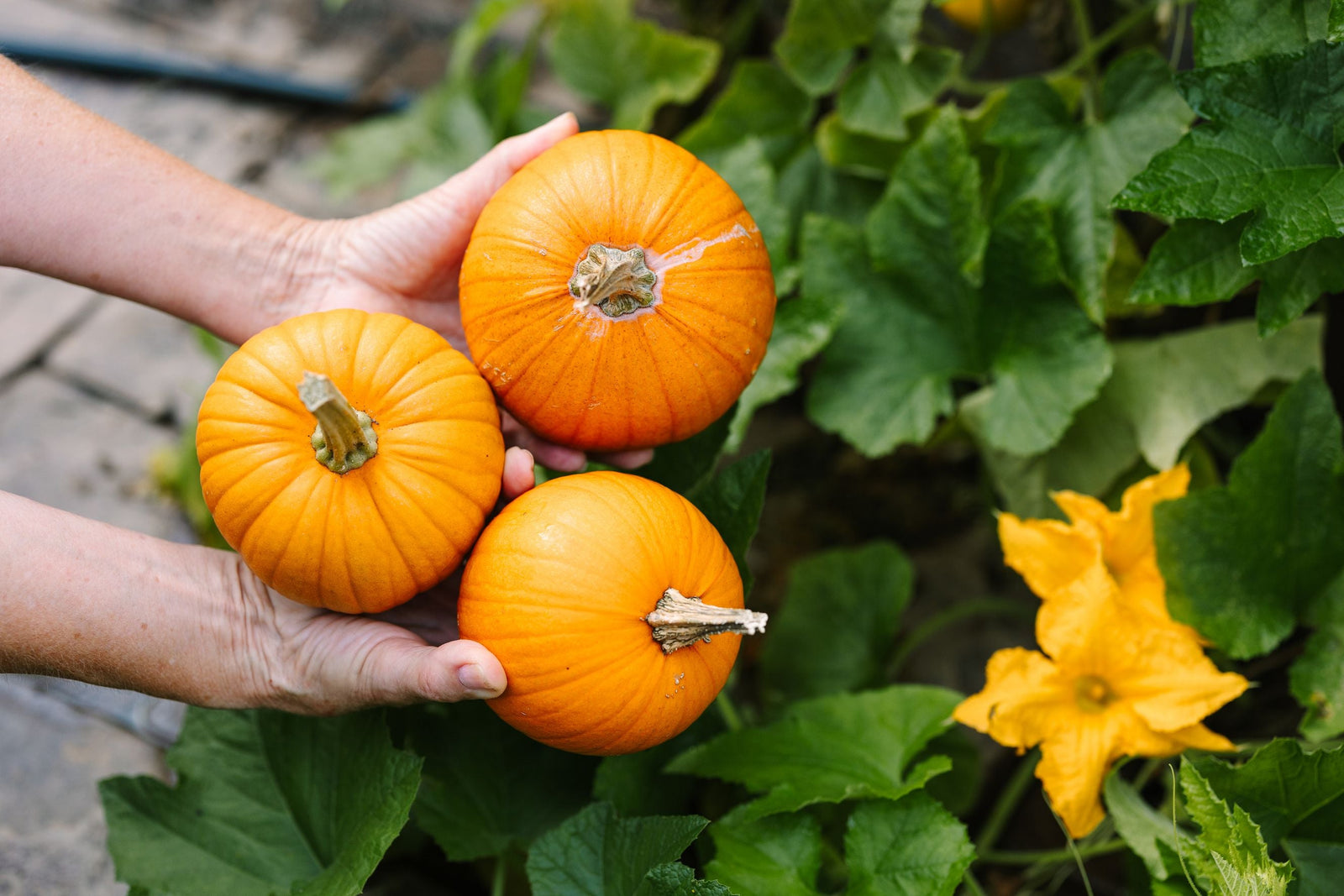
‘Pumpkin Pie’ (shown here) and ‘Jack Be Little’ are two of our top recommended pumpkin varieties for growing in the GreenStalk.
Planting
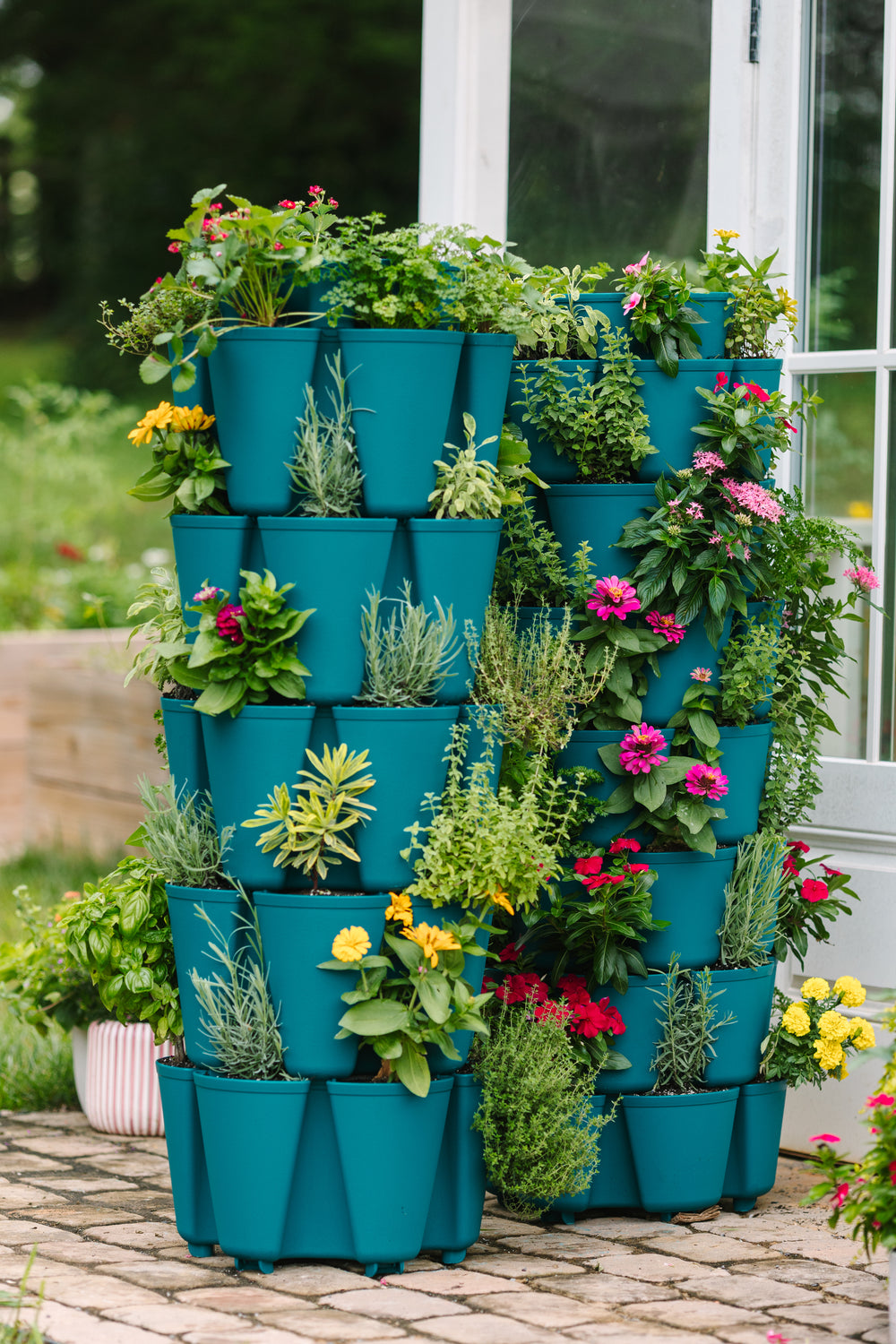
Pumpkins can be started indoors or direct sown after the danger of frost has passed (70 degrees and above). Plant one seed in every other pocket (three plants per tier) in the 5-Tier Original Vertical Planter. This spacing gives each plant room to vine, improves airflow, and ensures the roots have enough space to establish.
We’ve grown two dwarf varieties successfully:
Jack Be Little: Our top recommended variety for vertical growing. These are small but highly productive and perfect for a compact space.
Pumpkin Pie: A slightly more challenging variety, but absolutely worth it for the flavor and harvest.
It’s important to fill your GreenStalk Vertical Planter with high-quality, lightweight potting soil or potting mix. We recommend amending the soil at planting with worm castings and a granular fertilizer to set the right foundation for healthy growth.


ThePlant Support helps guide vining plants as they grow.
Growing and Maintenance
They prefer consistently moist soil, but not soggy conditions. Like most plants, you'll need to water daily to every couple of days in the summer months. If you’re traveling, make sure someone can check on your plants at least every other day, especially once fruit begins forming and consistent moisture becomes critical.
When it comes to fertilization, we recommend starting out with nitrogen to encourage strong leafy growth, then transitioning to phosphorus to support flowering and production. Pumpkins also respond well to compost and other organic, soil-building amendments.
Early on, you’ll quickly notice that pumpkin vines are vigorous and need support. We recommend using the Plant Support, with one support per tier to help guide and hold each plant as it grows.
Pests and Disease
Pumpkins are generally hardy plants, but they can be prone to a few common issues as the season progresses. The most frequent is powdery mildew, which often shows up as a white, dusty coating on leaves during warm, humid weather.
Good airflow is your first line of defense, which is why spacing plants in every other pocket and using proper support is so important. If powdery mildew does appear, treat it early with neem oil, ideally in the early morning.

Watch closely for signs of powdery mildew on the leaves and squash vine borer eggs.
You may also occasionally see squash vine borers. Keep an eye out for black and orange moths laying small dark red eggs near the base of the stems, where they are most commonly found, though eggs can occasionally appear on the underside of leaves.
Another sign of squash vine borers is a sawdust-like material around the stem, left behind as the larvae bore into the plant.
Remove eggs by hand as soon as you spot them. If larvae are already inside the stem, carefully split the stem open to locate and remove them. Afterward, cover the damaged section with soil or wrap it with tape to help the plant recover.
Some gardeners also wrap the lower stems with aluminum foil as a preventative measure. In most cases, early intervention can keep issues under control.

Freshly harvested ‘Pumpkin Pie’ pumpkins from aGreenStalk Vertical Planter.
Growing pumpkins in a GreenStalk might feel a little unconventional at first, but it’s a rewarding way to enjoy a classic fall crop. If you try growing pumpkins this season, we’d love to see how your garden grows and follow along with your progress. And if you’d like extra support along the way, you can always schedule a free call with our Lead Gardener, Susie. She’s here to help you troubleshoot, plan, and get the most out of your garden.
Happy gardening!