



Did you know that many of your favorite plants can multiply into dozens?
Whether you're looking to fill your own garden beds or create abundance to share with others, seed saving and plant propagation far extend the footprint of your bountiful harvests. These time-tested methods help you grow a generous garden that keeps new baby plants blooming all season long.
Start with Simple Plants to Save
Some plants practically beg to be multiplied! These prolific propagators make succession planting a breeze, producing plenty of new baby plants, making them perfect for beginners.
Easy seed saving winners:
Tomatoes, beans, and peas (self-pollinating, so seeds grow true to type)
Wet seeds like tomatoes, cucumbers, and melons benefit from fermentation to remove gel coating, but it’s not necessary
Dry seeds like beans and peas can be collected once pods turn brown and rattle, or matured beans can be harvested and allowed to dry
Propagation powerhouses:
Tomato suckers and pruned stems root in water within a week and produce identical plants
Strawberry runners create new plants when guided to pots
Garlic cloves multiply one bulb into 6-8 new bulbs

Seed Saving: Your Personal Seed Library
Seed saving lets you preserve your best-performing varieties and create your own supply for years to come. The process depends on whether you're working with wet or dry seeds.
Wet seed method (tomatoes, cucumbers, melons):
Scoop seeds into a jar with a little water.
Let sit for 2-3 days until the gel coating breaks down and good seeds sink to the bottom.
Pour off the floating debris, rinse clean seeds, and spread on paper towels to dry completely.
Dry seed method (beans, peas):
Either leave pods on the plant until they turn brown and seeds rattle inside, or allow picked mature pods to dry off the vine
Harvest the whole pod, break it open, and collect the hard, dry seeds inside.

Storage : Place completely dry seeds in labeled paper envelopes with the variety name and year. Most seeds stay viable for 3-5 years. Be sure to keep in a cool, dry environment.
Understanding the seed cycle : For seed saving to work, plants must complete their full life cycle from growth to flowering to seed production. This means letting some crops go well beyond their eating stage. Cucumbers turn yellow and bitter, beans stay on the plant until pods are brown and papery, and tomatoes become overripe and soft. This transition from 'harvest for eating' to 'harvest for seeds' is when plants put all their energy into creating the next generation.
Plant Propagation
Propagation creates identical copies of your plants faster than growing from seed. Most plants can be propagated, but these are so easy, you won’t need to buy starter plants for the rest of the season!
Tomato Suckers — Look for shoots growing between the main stem and leaf branches. Cut 6-8 inch pieces and place in water jars or an empty pocket with moist soil. Roots appear within 1-2 weeks. These clones produce fruit in the same season and taste exactly like the parent plant.
Strawberry Runners — Guide the long stems (runners) to small cups filled with soil, as seen here. We use plastic cups attached to the side of the pocket with an s-clip or bobby pin. Pin the stem in place where it touches the soil. In 4-6 weeks, roots develop and you can cut the connection to create a new plant. One strawberry plant produces multiple new plants each season.
Garlic Cloves — In the fall, separate bulbs into individual cloves. Plant each clove pointed end up, 2 inches deep. Next summer, harvest full-sized bulbs. One original bulb becomes 6-8 new bulbs.

Season-to-Season Planning
Smart timing creates continuous opportunities to multiply your plants throughout the year.
Spring : Plant saved garlic cloves and either start indoors or direct sow seeds from last year's harvest.
Summer : Propagate tomato suckers and cuttings, guide strawberry runners to their own spot of fresh soil, and harvest wet seeds from ripe tomatoes, cucumbers, and melons.
Fall : Collect dry seeds from finished bean and pea plants and plant garlic cloves for next year's harvest.
Winter : Plan next year's varieties, attend a seed swap, and identify any gaps in your garden that you’ll want to source and save for later.
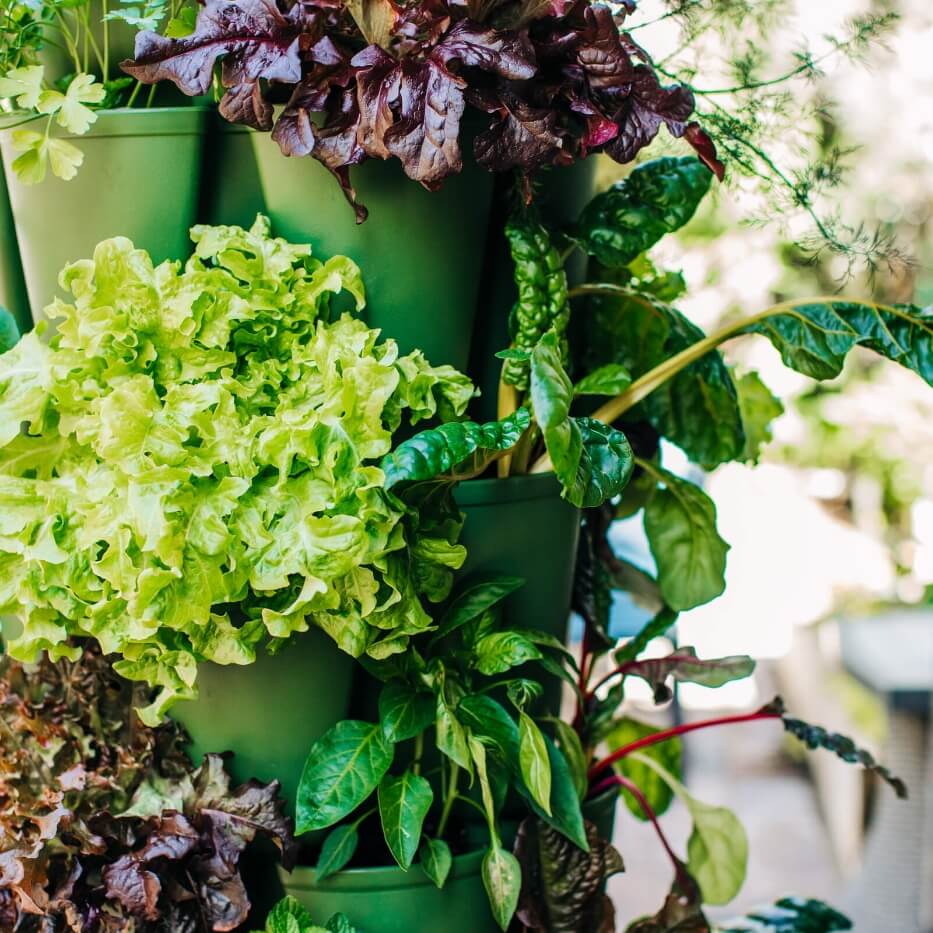
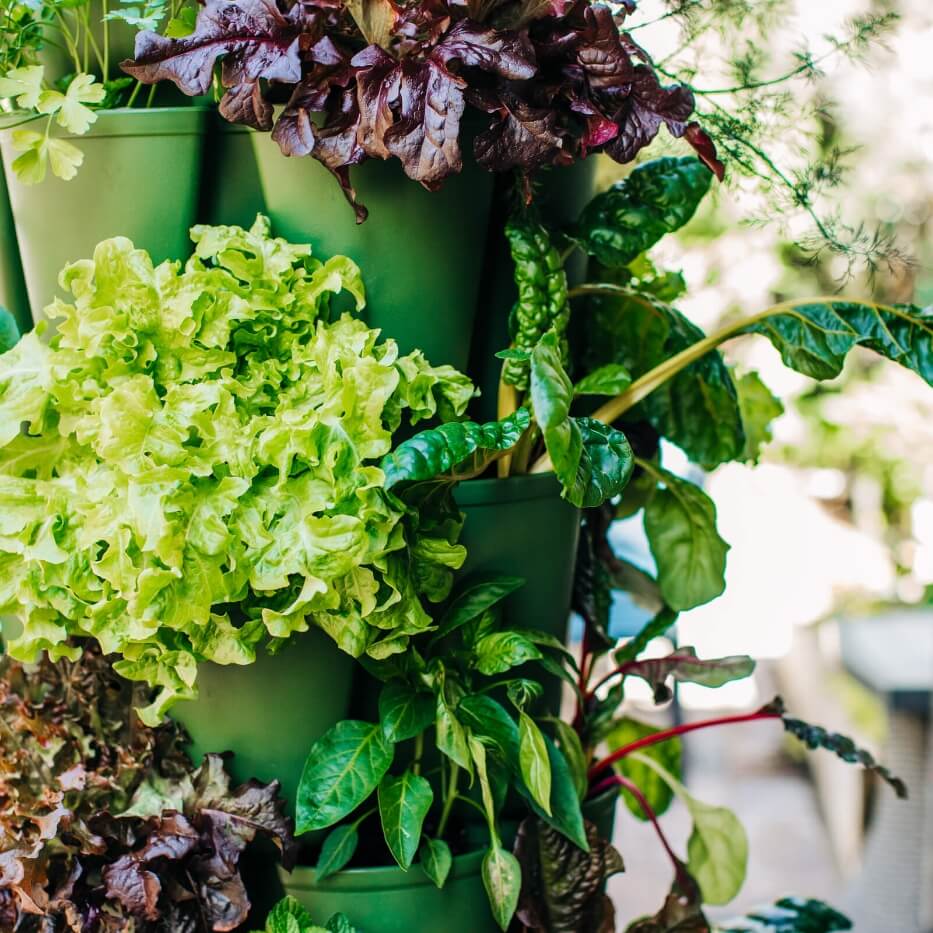
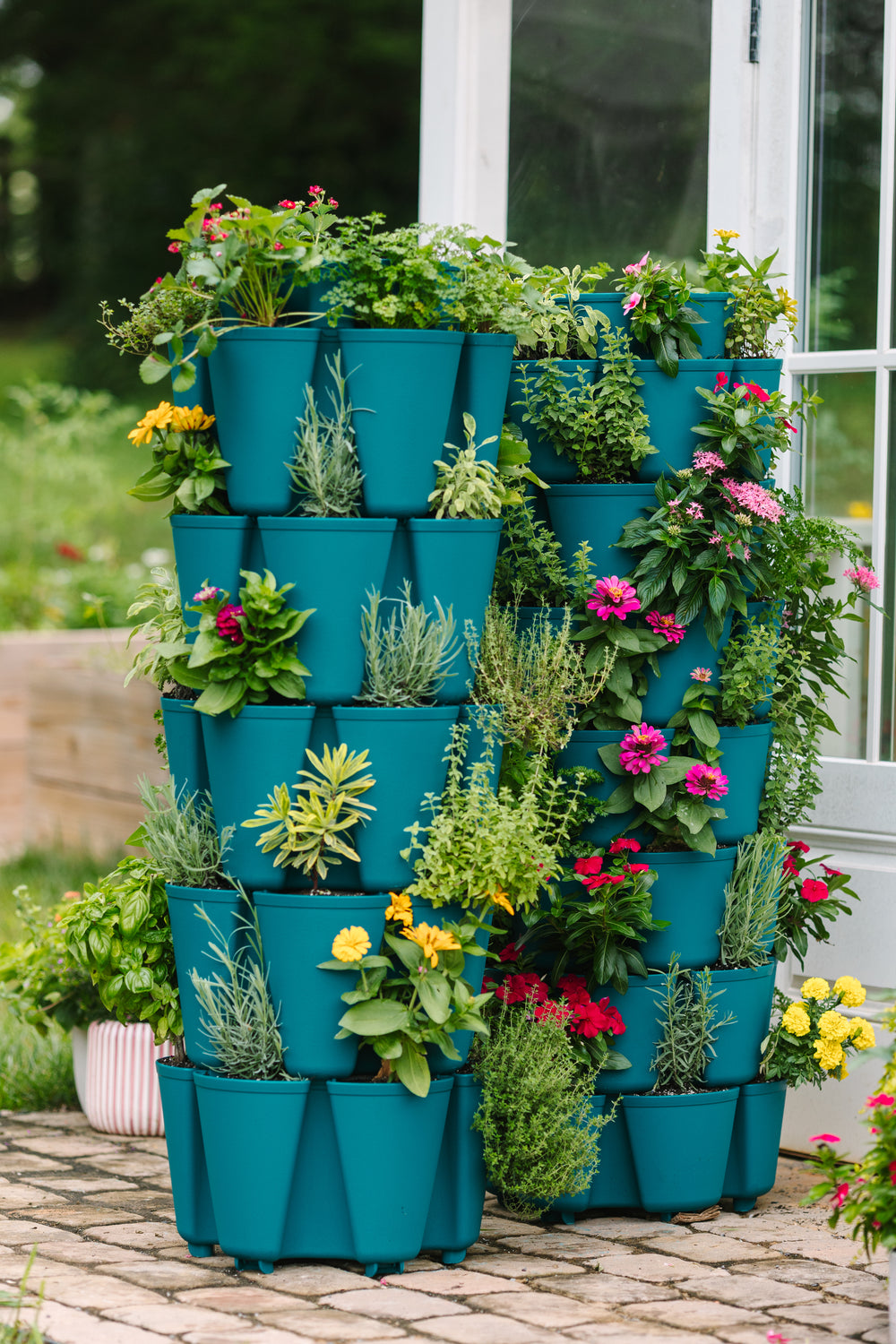
Small space advantage : The multiple pockets in a GreenStalk Vertical Planter make it easy to test different varieties side-by-side and manage small propagation projects without taking over your entire growing area!
“To plant a garden is to believe in tomorrow.”

And we say, to multiply your garden is to believe in your garden's ability to sustain itself . Every saved seed and rooted cutting is proof that abundance comes from working with nature's own multiplication systems, not your wallet.