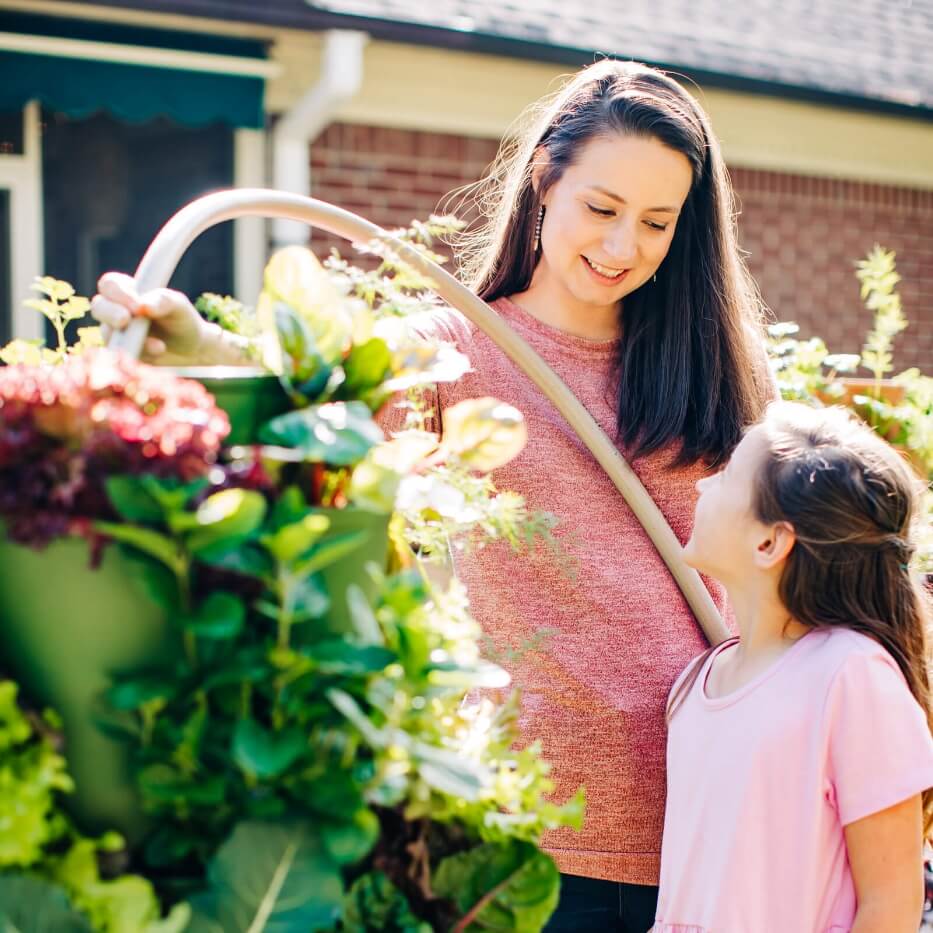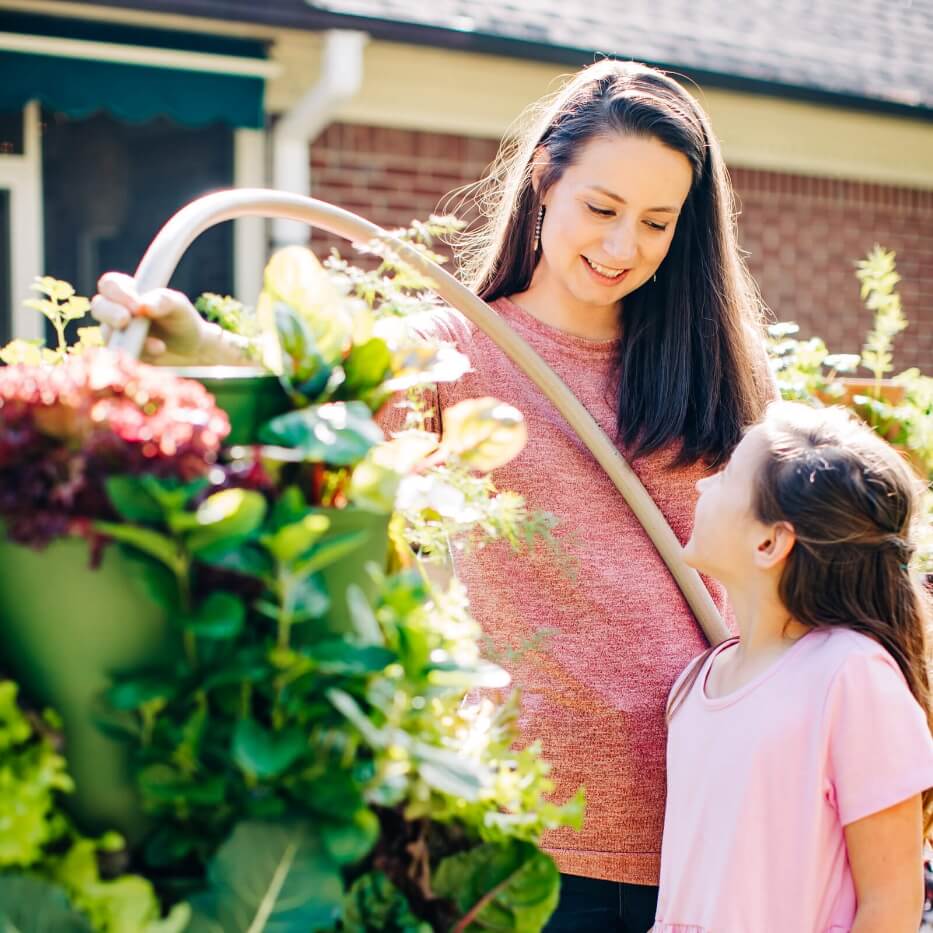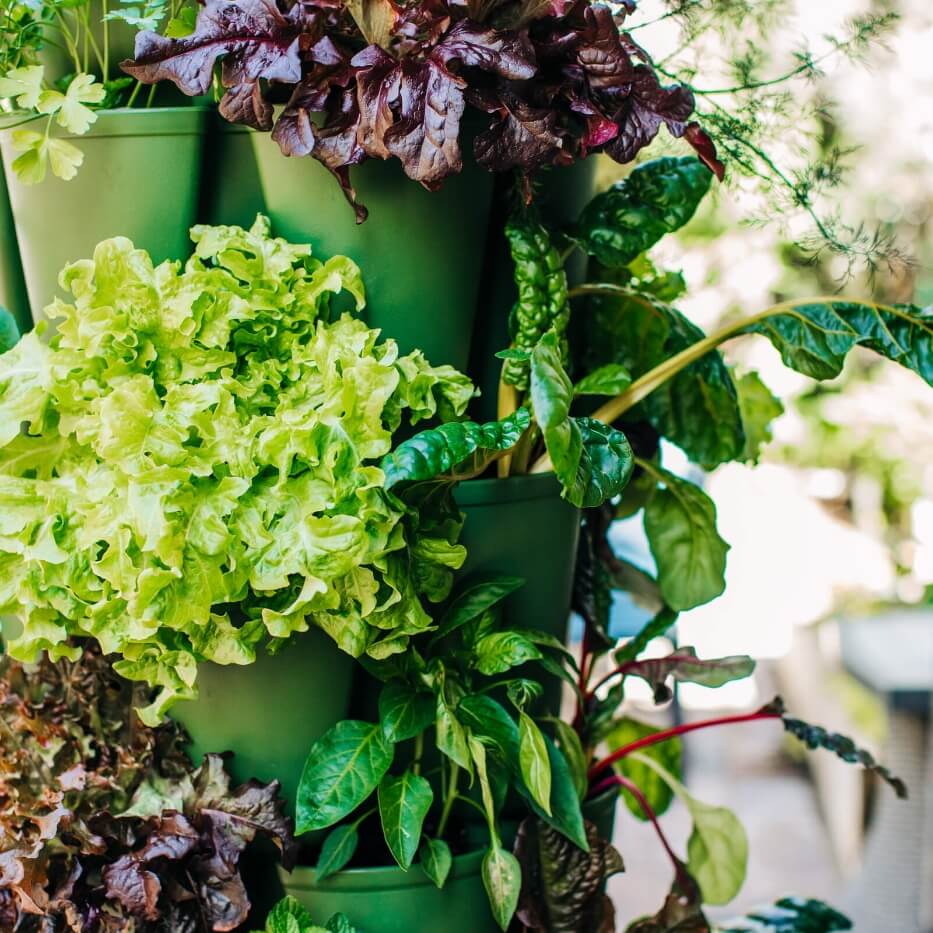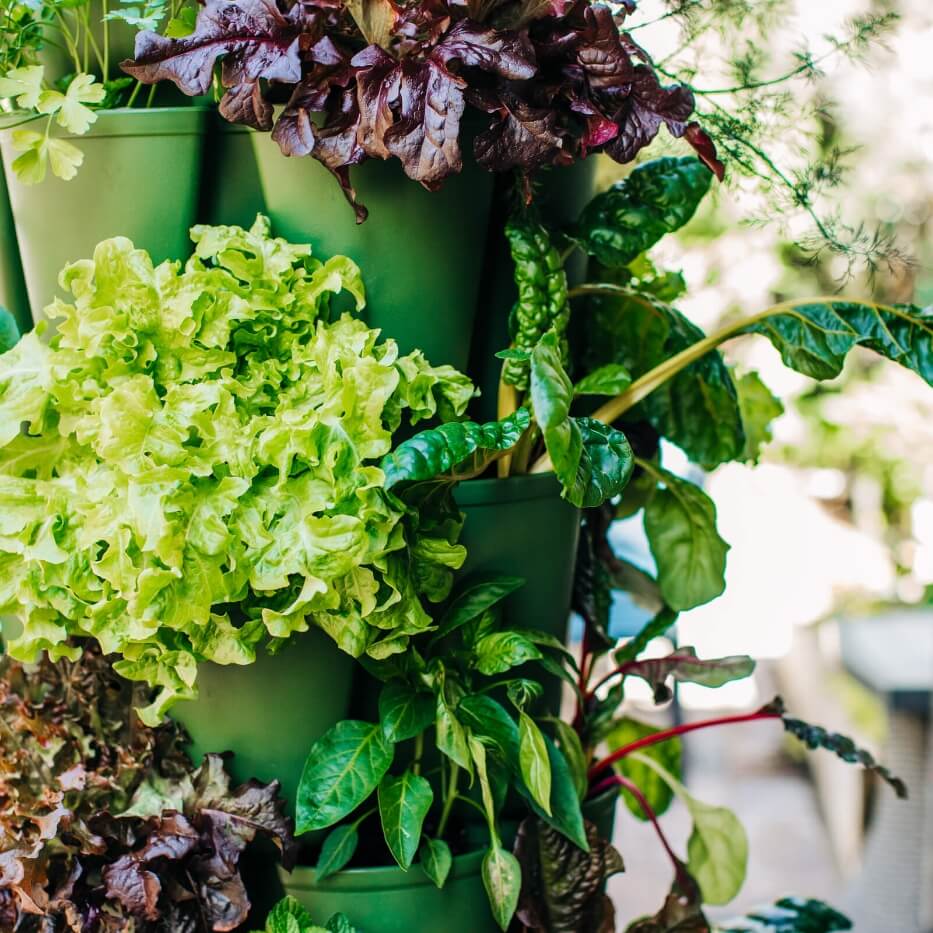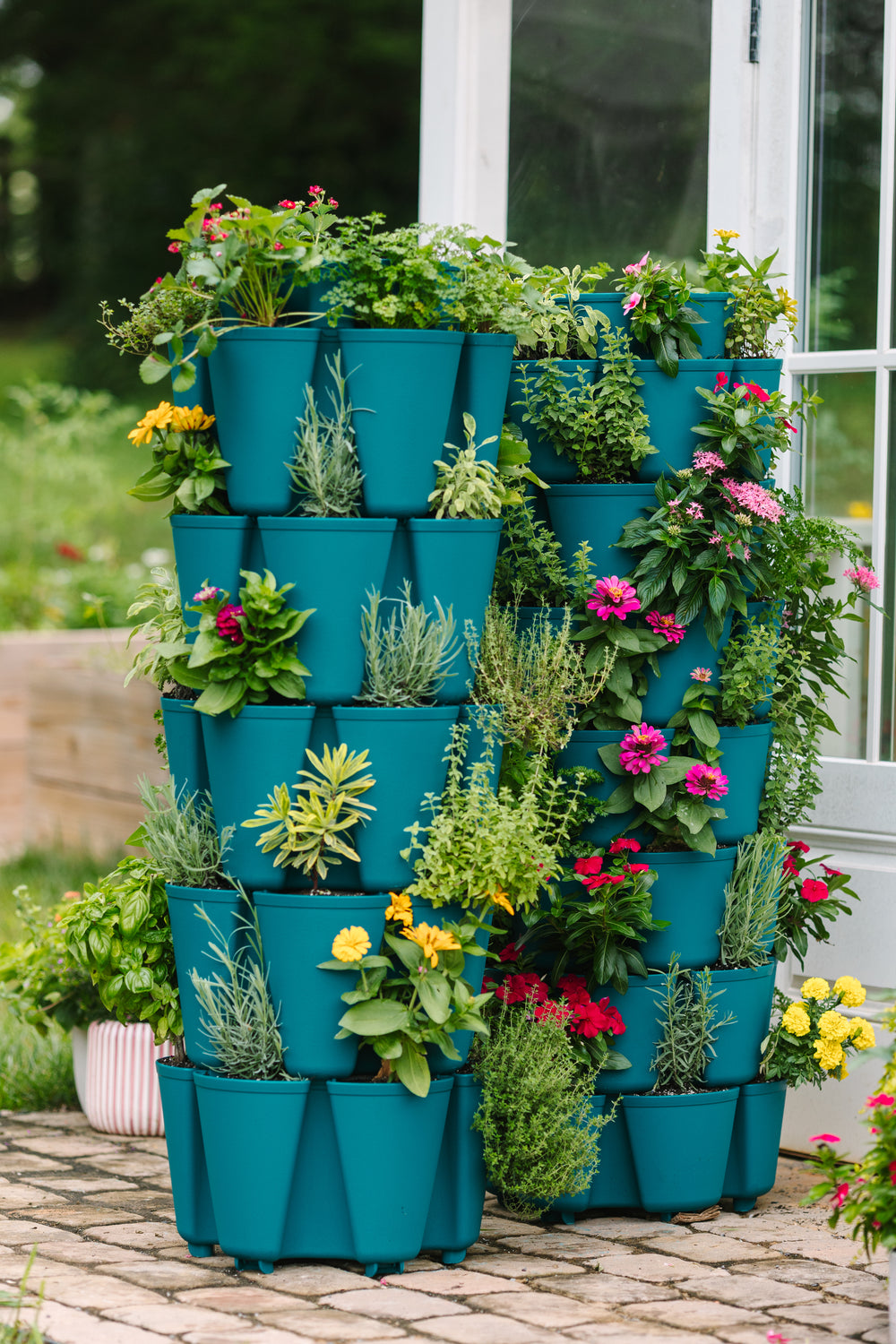



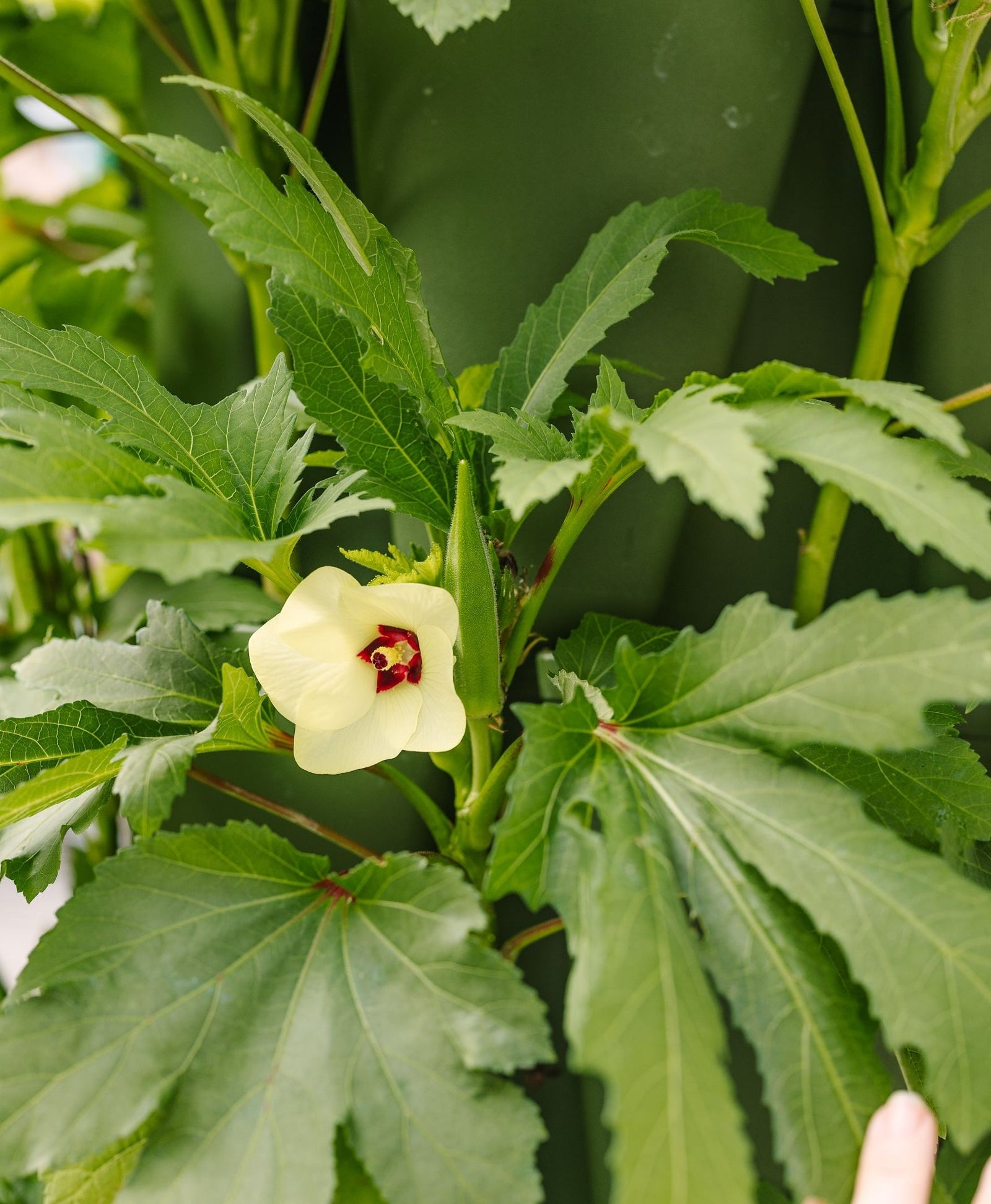

Okra is known as a towering Southern staple, but that reputation comes from the old standard varieties that stretch six to eight feet tall. Today's dwarf okra varieties change the game entirely, staying compact enough to thrive in a single GreenStalk pocket while still pumping out full-sized pods.
And once okra gets going, it really gets going. In the heat of summer, a happy plant will hand you fresh pods nearly every day. Get ready to roast, fry, pickle, and stir into a pot of gumbo.
Okra Fast Facts
Cool or warm weather: Warm season (loves heat)
Size: Large
Sun: 6-8 hours, full sun
Days to maturity: 60-70 days
Water: 1-2 inches per week; consistent, especially at flowering
Original or Leaf GreenStalk: Original (deeper pockets suit okra's taproot)
GreenStalk level: Bottom tier so they can grow up and out
Plant support needed: Minimal for dwarf varieties

Planting & Growing
Okra is a heat lover through and through, so resist the urge to plant early. Wait until all danger of frost has passed and your soil has warmed to 65-70°F, usually about two weeks after your last spring frost. Cool soil leads to poor germination and sulking seedlings.
Because okra develops a long taproot, it doesn't love being transplanted. Instead, direct sow seeds right into your GreenStalk pockets. Soaking them in warm water overnight speeds up germination, which usually takes 7-14 days. Plant about ½ inch deep and thin to one plant per pocket once seedlings are established.
Best Dwarf Okra Varieties to Grow Vertically
Standard okra simply grows too tall and top-heavy for container life. The trick is choosing a dwarf variety bred to stay compact while still producing full-sized pods.
Baby Bubba: Susie’s top pick for GreenStalk growing! This dwarf hybrid reaches only about 2-3 feet — half the height of standard okra — yet pumps out hefty, spineless, full-sized pods in around 53 days. Compact, productive, and wonderfully container-friendly. Highly recommended.
Little Lucy: A true dwarf topping out near 2 feet, with burgundy-tinged stems and 4-inch pods. Its small footprint and ornamental good looks make it a natural fit for pocket planting.
Cajun Delight: Slightly taller at around 4 feet but fast and reliable, maturing in 50-55 days. An All-America Selections winner and an excellent choice for gardeners working with a shorter season.
Watering & Fertilizing
At planting, mix a quality potting soil with a granular fertilizer like Fox Farm Jump Start 3-4-3 and worm castings, just as you would with your regular GreenStalk setup. Okra is a moderate feeder and surprisingly drought-tolerant once established, but don't let it dry out completely while it's flowering. Water stress when the blooms open will drop your pod set fast. Aim for consistent moisture, watering when the top couple inches of soil feel dry.
Picking Okra is An Everyday Habit
Our top tip for first-time okra growers: harvest as a daily ritual. Once your plant starts producing, you'll be picking pods every day or two all summer long.
The golden rule is to pick them young — 2 to 4 inches long. Okra grows shockingly fast, and pods left even a day too long turn tough, woody, and fibrous. Cut each pod cleanly just above the cap with shears rather than tugging, which can damage the stem. And keep picking even the pods you'll toss, as leaving overgrown ones on the plant signals it to stop producing.
Note: Some varieties carry small spines, so gloves at harvest time aren't a bad idea.


Harvest & Storage
Store unwashed pods in a paper towel inside a loosely closed bag in the refrigerator, where they'll keep 4-5 days. Okra also freezes beautifully: slice, blanch for 3 minutes, cool, and freeze for soups and stews down the road.
Using Your Okra
Okra is one of the more versatile crops in any vertical garden. Its signature dish, Gumbo, is a direct link to the West African foodways that brought the plant to the South. As it cooks down, okra releases a natural mucilage that thickens and enriches a pot of gumbo, soup, or stew. The same quality shines in smothered okra (cooked low and slow with tomatoes and onion) and in Indian-style bhindi or stewed-with-tomato dishes, where a little acidity keeps the texture in check.
Even without a recipe, daily okra harvests means you'll want plenty of ways to enjoy it:
Roast it — Toss whole or halved pods with oil and roast at high heat until the edges crisp. High, dry heat is the easiest way to sidestep okra's famous sliminess.
Pan-fry it — The Southern classic. Dredge sliced pods in cornmeal and fry in a hot skillet for crispy, golden bites.
Air-fry it — All the crunch of fried okra with a fraction of the oil. Slice into rounds, toss with a little oil and cornmeal (or leave them bare), and air-fry at around 400°F for 10-15 minutes, shaking once, until golden and crisp.
Grill it — Thread whole pods on skewers, brush with oil, and grill until charred and tender. The smoky flavor pairs beautifully with the pod's natural sweetness.
Pickle it — Quick refrigerator pickles are a perfect home for a surplus harvest, turning extra pods into tangy, crunchy snacks.
Make okra water — Soak whole or sliced pods in water overnight, then strain and drink the liquid. It's an old Appalachian method said to support blood sugar and digestion.
No matter how you prepare it, okra is delicious and nutritious: rich in fiber, vitamin C, folate, and magnesium.

You're Ready to Grow!
Okra proves that even a heat-loving Southern giant can find a home in a vertical garden. Pick the right dwarf variety, give it sun and steady water, and keep up with that daily harvest. You'll have fresh pods to enjoy and share all season long. Happy growing!