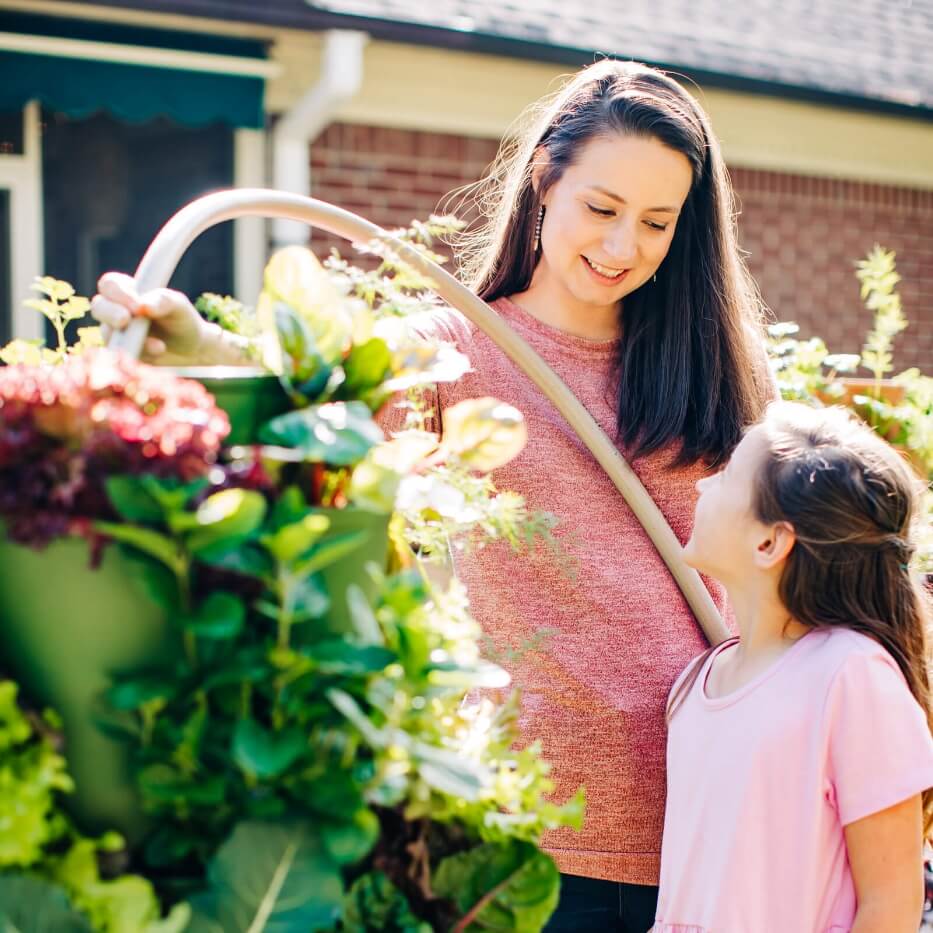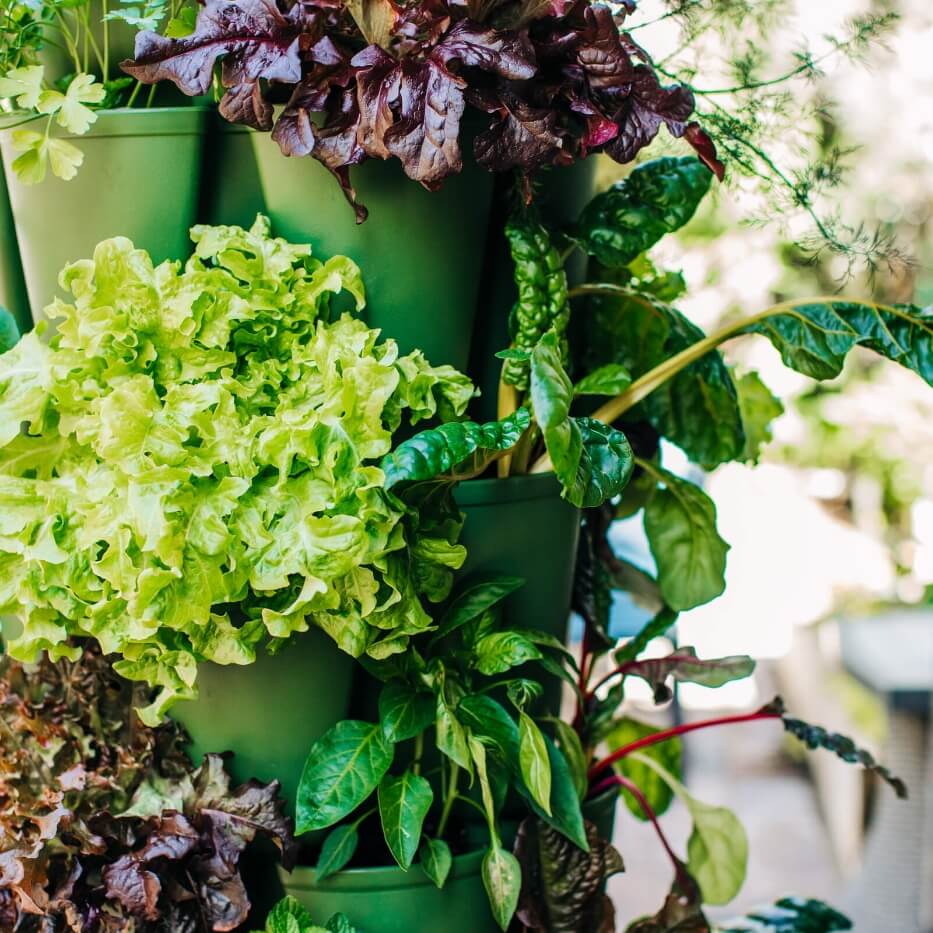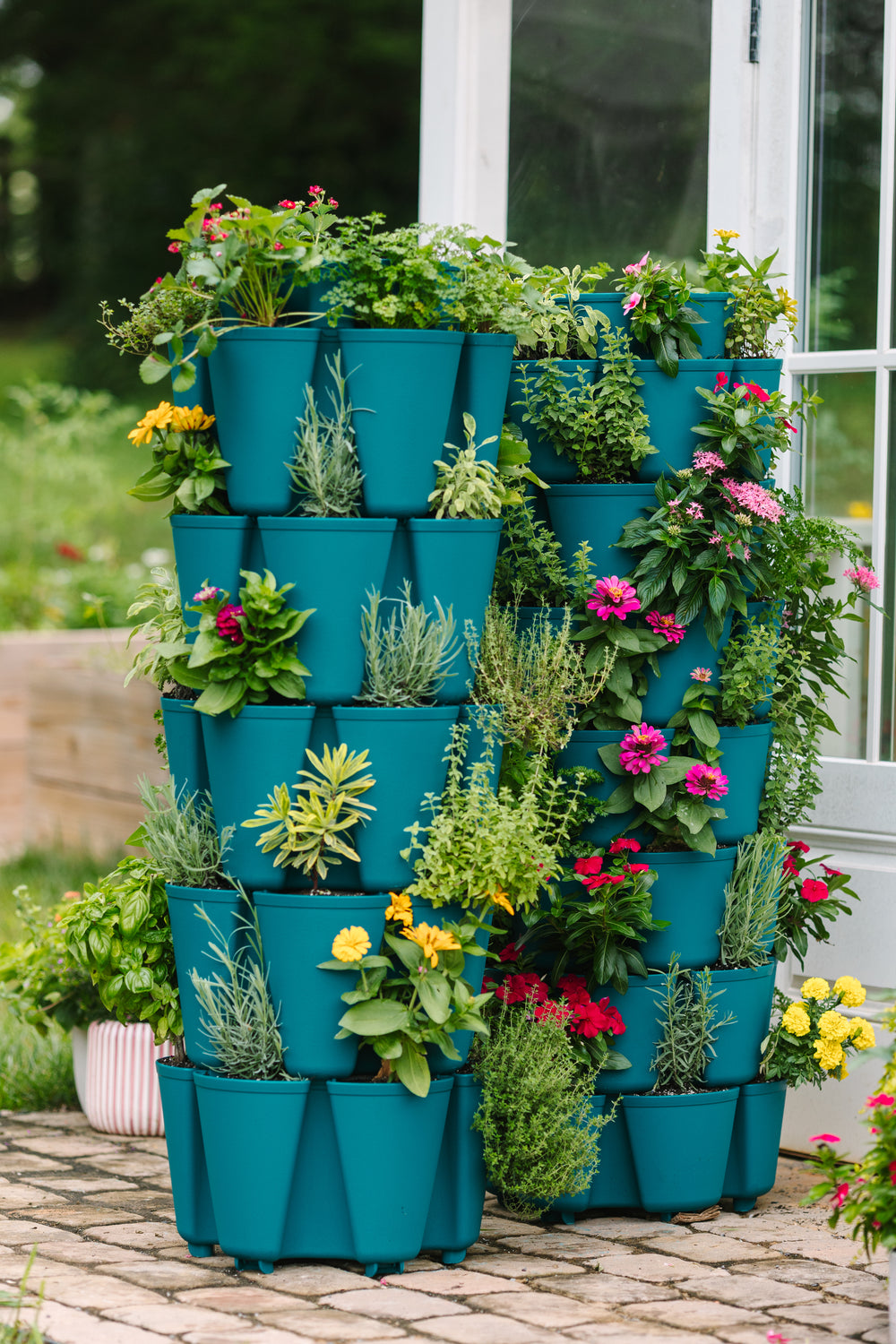


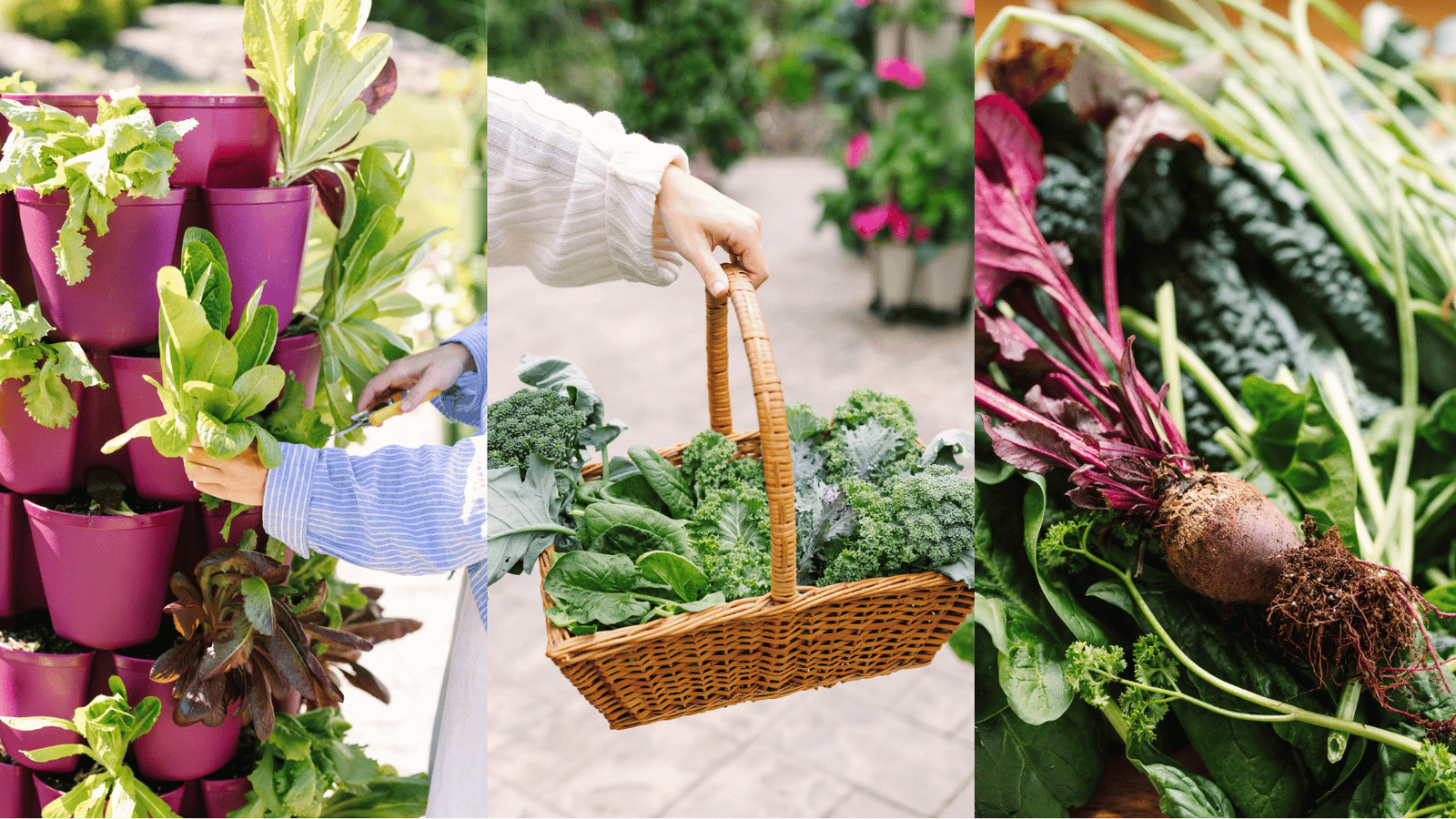

If late summer feels like the tail end of the growing season, think again! Depending on your zone, there’s a whole host of fall crops ready to slot in alongside whatever’s already producing. You don’t need to start your GreenStalk from scratch — just pull and compost your spent plants, amend with a bit of fertilizer, and keep your garden growing as long as possible.
Find your USDA hardiness zone below and scroll to it — or, if you’re like us, consult your Farmer’s Almanac and local gardening experts. Each section covers what to plant in August, where it goes on your GreenStalk, and when you'll be harvesting.
Refreshing Your GreenStalk for Fall (Do This First)
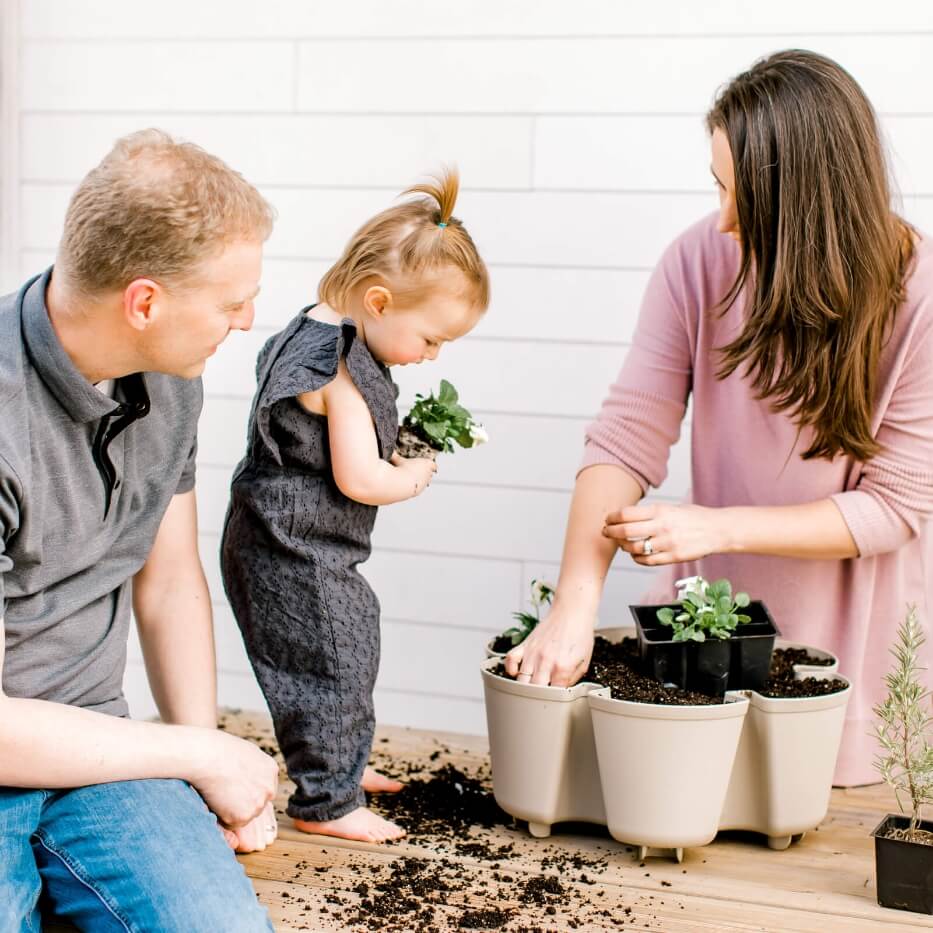
You don't need to empty your GreenStalk to switch it over for fall. Work pocket by pocket:
Pull spent crops, not whole tiers. As your tomatoes, peppers, cucumbers, or squash finish up, remove them one pocket at a time. Shake the loose soil off the roots so you're not losing the mix that's already in there.
Feed as you go. A season of growth pulls a lot out of the soil, even with regular topping off. Work a balanced granular fertilizer into any pocket you're replanting, and switch to a diluted liquid feed every couple of weeks once your fall crops are established. Cooler weather slows uptake, so it doesn't take much.
Top off with fresh potting soil to replace what that pocket's last crop used up. This keeps the texture and drainage prime for new plants.
With that done, here's what goes in each pocket by zone.
Zones 3–4 (Interior Alaska, Northern Maine, Upper Midwest, Northern New England)
First frost lands anywhere from early to late September, so August plantings need to mature fast. This isn't the zone for a second round of anything slow.
Plant: Spinach, arugula, mesclun mix, radish, and turnips grown for their greens. Scallions if you're getting them in early August.
Tier placement: All of these are leafy, faster growers. Top tiers are best for the whole lineup, but you can space out throughout your GreenStalk wherever you have space and enough sun exposure.
Harvest: September, some pushing into the first week of October if frost holds off or if you’ve got our Frost Protection Cover.
One advantage worth using here: your GreenStalk is portable. If an early frost is forecast before your greens are ready, you can move the whole planter into a garage or covered porch overnight rather than losing the crop, then put it back in the sun once temperatures level out.


Spinach (left); arugula (right)
Zone 5 (Coastal Maine, Mid-Michigan, Central Midwest)
First frost around mid-October gives you some room to work with.
Plant: Dwarf carrots, beets, spinach, kale, radish, turnips, cilantro, and a lettuce succession sown every couple of weeks through mid-August.
Tier placement: Lead Gardener Susie swears by carrots and roots up top where their leaves can maximize sun exposure, while planting leafy greens on lower tiers so they benefit from the shade.
Harvest: Late September through October.
Zone 6 (Mid-Atlantic, Ohio Valley, Kentucky)
Frost typically holds off until mid-to-late October.
Plant: Swiss chard, kale, carrots, beets, sugar snap peas, spinach, lettuce, and mustard greens.
Tier placement: Chard and kale are larger growers — give them a middle tier. Sugar snap peas, especially dwarf varieties, do well on a lower tier where they can be trained a simple trellis. Everything else (lettuce, mustard, spinach) stays up top.
Harvest: October, with chard and kale often still going into November.

Beets (left); Swiss chard (right)
Zone 7 (Tennessee, Piedmont, Coastal Carolinas)
This is home turf for the GreenStalk, with frost usually not showing up until late October or mid-November.
Plant: Broccoli and cauliflower transplants, collards, kale, carrots, beets, spinach, radish, and a cilantro or dill planting for fall.
Tier placement: Collards and kale, with their large leaves, thrive at the base. Susie has had great experience with broccoli and cauliflower in the middle tiers. Dwarf carrots, beets, and root crops do well lower down too, where the pocket holds moisture. Spinach, radish, cilantro, and dill go up top.
Harvest: October into November, with broccoli and cauliflower typically the last things to come off in November.
Zone 8 (Gulf Coast, Coastal Carolinas, Lower Southeast)
Frost is a November-to-early-December event here, which means you get one more short warm-season window before switching over.
Plant: A second round of bush beans in early August, plus fall brassicas (broccoli, cabbage), greens (kale, collards, lettuce), root vegetables (carrots, beets, turnips), and herbs (cilantro, parsley).
Tier placement: Cabbage and broccoli in the lower and middle tiers, bush beans and root vegetables mixed in alternate pockets around them, greens and herbs on top.
Harvest: October and November, with root vegetables and brassicas carrying into late November.


Broccoli (left); cauliflower (right)
Zones 9–10 (California and Florida)
Frost is rare to nonexistent, but August is still deep summer heat here. This is less about frost timing and more about waiting for the heat to break enough for cool-season crops to take. Always check with your local planting schedule to be sure.
For more on gardening with GreenStalk in Florida, check out Space Coast Harvest on YouTube.
Plant: Keep heat-tolerant summer crops going through late fall — okra, southern peas, sweet potato slips, malabar spinach. As the heat starts to ease in your area, start your first carrot and root vegetable sowings, along with a second round of tomatoes or peppers for one more warm-season harvest before winter.
Tier placement: Dwarf okra and a second round of tomatoes or peppers are your heaviest plants, best for the bottom tiers. Southern peas do well on a middle tier. Spinach and any early root vegetable sowings can go on top.
Harvest: Mostly November and December, once the fall sowings have had time to mature in cooling temperatures, but you can harvest your late-fall plants through the winter if they’re still producing.
However your zone shakes out, we want to see it! Tag us on Instagram and join our Facebook group to show off your fall GreenStalk setup, whether that's a full tier of kale or one pocket of radishes squeezed in before frost. There's nothing better than watching this community keep growing!

Scarlet Nantes carrot
East Coast vs West Coast
Because the USDA bases its zone designations on average annual minimum winter temperatures, Florida and California share some of the same zone numbers. However, their growing conditions can be very different.
While there are some humid areas of California, much of the state has a dry climate. Many areas also experience extreme summer heat, while California's diverse microclimates can mean that other regions experience very mild summer temperatures.
Florida, on the other hand, is hot and humid throughout much of the summer. Its tropical climate can create growing conditions similar to those in a greenhouse.
The great news is that the GreenStalk Planter allows gardeners on both the East and West Coasts to grow many of the same plants. Of course, gardeners in each region will need to adapt their growing practices to the unique conditions of their own climate.
However your zone shakes out, we want to see it! Tag us on Instagram and join our Facebook group to show off your fall GreenStalk setup, whether that's a full tier of kale or one pocket of radishes squeezed in before frost. There's nothing better than watching this community keep growing!